Last updated November 21, 2026
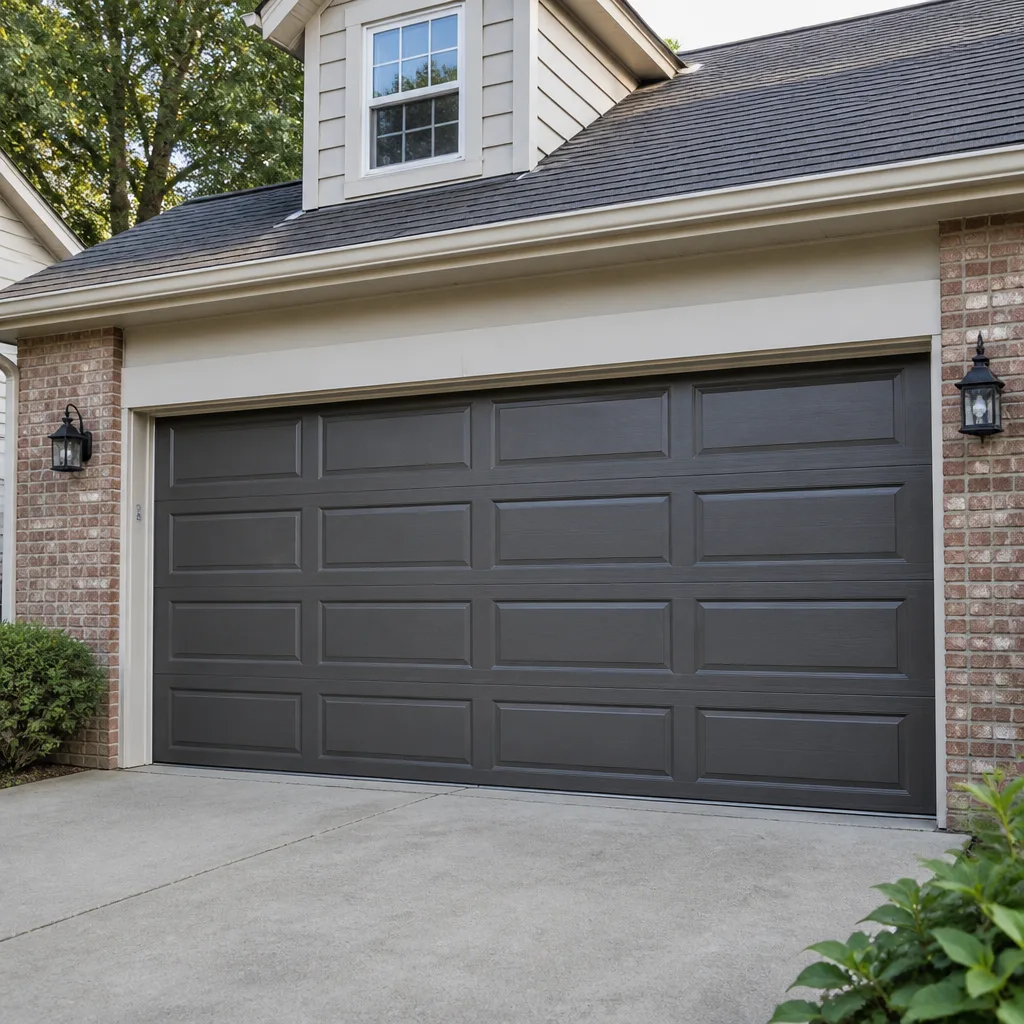 Raised-panel steel
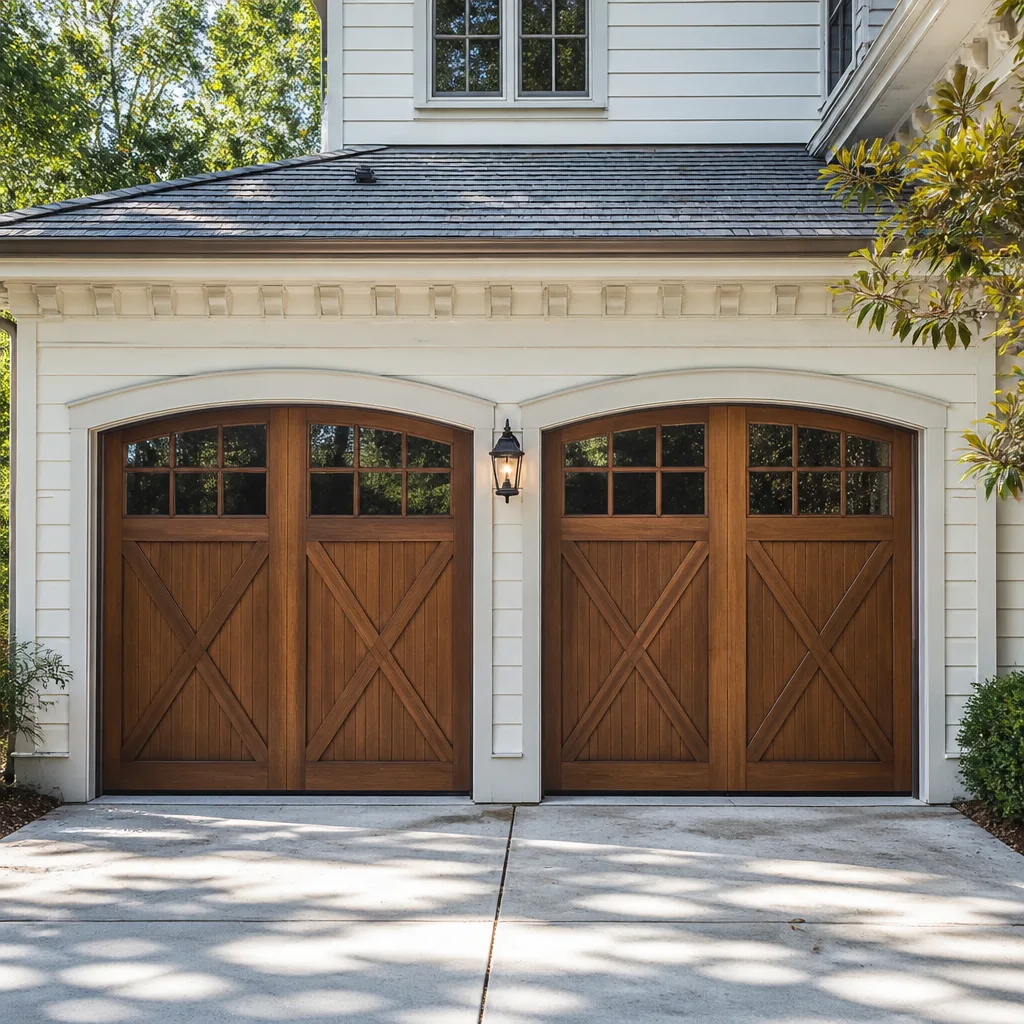 Carriage house
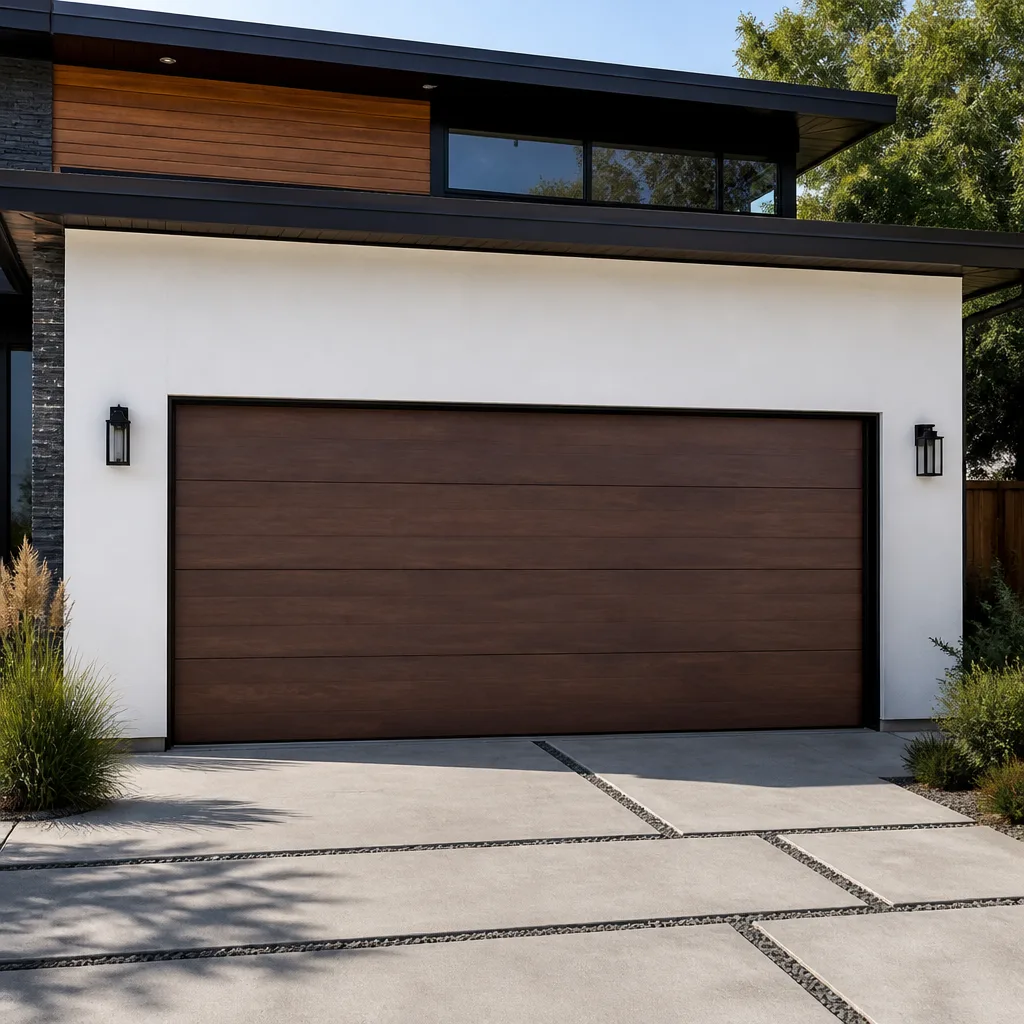 Modern flush
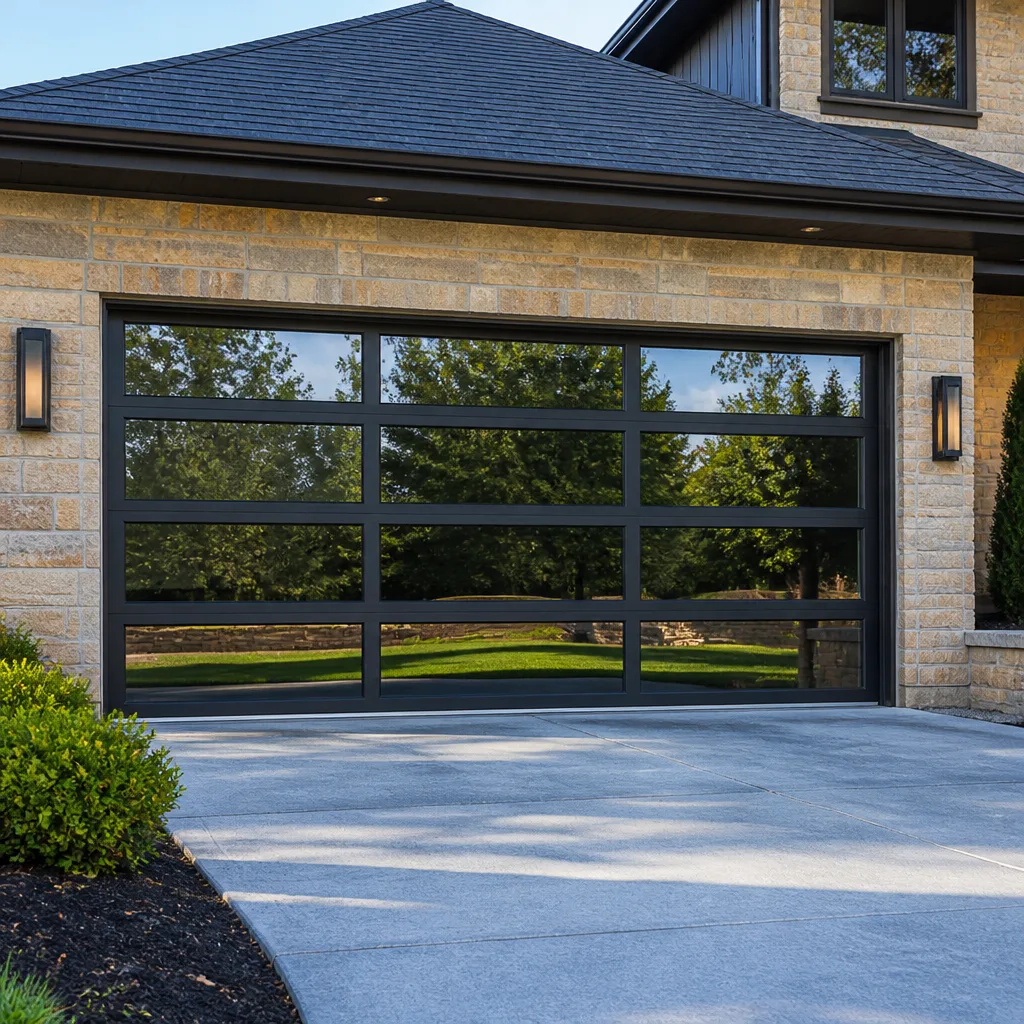 Full-view glass
 LiftMaster openers
 Chamberlain openers
Full 25-point door and opener safety check with every visit - springs, cables, rollers, tracks, and your LiftMaster or Chamberlain opener included
You get a price before we start. It does not change when the pro arrives.
Get your free estimateHow to Hire a Garage Door Contractor in Richmond: A Step-by-Step Guide
Ask a garage door contractor in Richmond which brand they recommend and you’ll learn more about their business model than about your door. The ones who push one brand exclusively are often dealers with inventory to move, not diagnosticians with nothing to sell. That single distinction shapes almost every other question worth asking, from how a quote is itemized to why a price looks too low to trust. A garage door is your home’s largest moving part, and the person who works on it should be able to explain any system in front of them. This guide gives you the specific questions, verification steps, and quote-comparison tools to tell a true specialist from a salesperson with a preferred line.
Quick Answer
To hire a garage door contractor in Richmond, verify that the company is licensed for the scope of work through the Virginia Department of Professional and Occupational Regulation, ask whether they service brands they didn’t install, and always request a written, itemized estimate that separates parts from labor before any work begins. The single most revealing question is whether they work on brands outside what they sell: a brand-agnostic contractor diagnoses the door you actually have, while a single-brand dealer is structurally motivated to recommend their own line. Expect a legitimate diagnostic visit to involve the door, springs, tracks, and opener being inspected and explained, not a pitch for replacement.
Styles & brands we work with
- Raised-panel steel
- Carriage house
- Modern flush
- Full-view glass
- LiftMaster openers
- Chamberlain openers
Table of Contents
- Why the Brand Question Reveals Everything
- How to Verify Virginia Licensing for Garage Door Work
- The Questions to Ask Before Anyone Shows Up
- A Diagnostic Visit vs. a Sales Visit Disguised as One
- Red Flags in a Garage Door Quote
- How to Compare Quotes When Line Items Look Different
- What’s Different About Hiring in Richmond
- Hiring for an Emergency Repair
Why the Brand Question Reveals Everything
The garage door industry splits into two kinds of businesses: dealers and specialists. A dealer is contracted to move a particular manufacturer’s doors and openers, sometimes to a quota, and the recommendation you get at the kitchen table is shaped by what’s on their trailer. A specialist works on the equipment already in your garage regardless of who made it or who installed it. That difference matters most when you have a door or opener that isn’t the dealer’s line, which is the situation most Richmond homeowners are actually in.
Richmond’s housing stock makes this more than a theoretical concern. The city’s older neighborhoods sit alongside decades of construction, which means a single street can have a Craftsman opener from an older build next to a newer LiftMaster with smart-home integration. A contractor who only knows one system will either decline the job or quietly push a full replacement to get you onto their platform. A brand-agnostic contractor recognizes the actual system and repairs it on its own terms.
So ask the question directly: “Do you service brands you didn’t install?” A specialist answers yes without hesitation and can name several. A dealer usually hedges. That answer, more than any review or ad, tells you whether the person standing in your garage is there to diagnose or to sell.
In our experience, this is why we work on the brand already in your garage and keep certified familiarity with eight major lines: LiftMaster, Chamberlain, Genie, Clopay, Amarr, Wayne Dalton, Craftsman, and Raynor. Whether your opener is a decade-old Craftsman or a new LiftMaster with Wi-Fi, the diagnosis should follow the equipment, not the inventory. You can see how that plays out across our garage door opener repair work, where the two dominant smart-home ecosystems sit right next to legacy systems on the same street.
How to Verify Virginia Licensing for Garage Door Work
Virginia regulates contractors through the Department of Professional and Occupational Regulation, and garage door work generally falls under the residential building contractor classification rather than plumbing, electrical, or another specialty trade. Licensing is tiered by project value, so the right license depends on the size of your job. A spring repair is a small-dollar service call. A full door replacement with an opener can push past the threshold for a higher class. Before you hire, ask which license the company holds and confirm it against the state’s public license lookup.
Here’s the practical sequence:
- Ask the company for its Virginia contractor license number and the name it’s licensed under.
- Look up that number in the state’s online licensing database and confirm the name and classification match.
- Confirm the license class covers the size of your project. A class that caps out below your job’s value isn’t the right fit.
- Ask whether the company carries general liability insurance and workers’ compensation coverage for the people doing the work, and request a certificate.
- For anything structural or electrical, confirm the crew is trained for that scope specifically, since opener wiring and spring work are safety-critical.
Virginia’s licensing requirements and monetary thresholds change, and local permit rules can vary by jurisdiction, so we always tell homeowners to check directly with the state and with their city’s building department rather than rely on any contractor’s summary. A legitimate contractor won’t flinch at that. The one thing to never accept is “we’re licensed” with no number to check.
The Questions to Ask Before Anyone Shows Up
A short phone conversation filters out most of the wrong contractors before anyone drives to your house. Keep these questions ready, and pay attention to how quickly and specifically they’re answered.
- Do you service brands you didn’t install? The core question. Listen for a confident yes and named examples.
- Do you handle both doors and openers? Single-provider accountability matters, so a company that does both doesn’t hand you off when a problem crosses from door to motor.
- Do you do spring work as a standard service? Spring replacement is among the most safety-sensitive jobs in this trade, and many general handymen avoid it. If a contractor is vague about springs, that’s a sign of limited depth.
- Can you itemize parts and labor on the estimate? A contractor who can’t split the two is hiding something, usually a padded or understated number.
- What’s your process if the door is stuck open or won’t close? For a security or access problem, you want a real answer about emergency availability, not a next-week appointment.
- Will the price be agreed before work starts? The written estimate should set the final price, so get that in writing.
When the answers line up, you’ve found someone worth a visit. When they don’t, you’ve saved yourself a sales call. Richmond homeowners who rely on their garage as the main way into the house can’t afford a week of downtime, so this filter is worth the five minutes it takes.
For a broader look at how a repair visit unfolds, our guide to garage door repair covers the common failure points we see. And if your goal is a new door rather than a fix, the questions shift slightly toward measurement, ordering, and scheduling, which is where garage door installation comes in.
A Diagnostic Visit vs. a Sales Visit Disguised as One
The most common way homeowners get led into an unneeded replacement is a “service call” that turns into a pitch. The two visits look similar from the driveway and very different once the technician is inside. Knowing what a real diagnostic visit involves lets you spot the switch early.
A legitimate diagnostic visit follows a recognizable pattern:
- The technician inspects the door, springs, cables, tracks, rollers, and hinges, and operates the door to observe its behavior.
- They check the opener’s force settings, travel limits, safety sensors, and balance separately from the door itself.
- They explain what they found in plain language and name the specific failed component, not a vague “worn out.”
- They give you a written estimate with parts and labor separated, and offer repair options before replacement enters the conversation.
- They leave the decision with you. No countdown, no “this price is good today only.”
A sales visit disguised as a service call tends to skip the diagnosis and land on a conclusion. The door “needs replacing,” the opener is “obsolete,” and the number quoted is for a new system rather than a repair. You’ll notice the technician measuring for a new door before they’ve explained why the old one can’t be fixed. Our stance is repair first, replace only when it makes sense, and a real specialist can always tell you which path you’re on and why. If a brand-neutral diagnosis still points to replacement, at least you know it’s about the door you have, not the door they want to sell.
Red Flags in a Garage Door Quote
Most garage door quote problems come down to a handful of patterns. Knowing them ahead of time keeps you from signing something you’ll regret.
- Spring pricing that’s far below the rest. A spring repair is a named price, and a quote that looks dramatically cheaper than the others usually means a single spring is being swapped when the pair should be replaced together, or the low number is a teaser for add-ons later.
- Same-day pressure tactics. “Sign today or the price goes up” is a sales technique, not a garage door problem. A real need for urgency comes from the door’s condition, not the calendar.
- No itemization. A quote that lumps everything into one number makes it impossible to compare, and it leaves room for the invoice to climb. Parts and labor should be separate lines.
- Refusing to put the price in writing. The written estimate is what sets the final price. If you can’t get it on paper, you don’t have a price.
- A one-brand recommendation for every problem. If every door they see “really should be” the same brand, you’re talking to a dealer.
- Skipping the opener when the door is the question (or vice versa). A quote that ignores half the system may come back to you as a second bill.
These aren’t signs of a hard sell so much as signs of a business set up to sell rather than diagnose. When a contractor offers repair options before replacement, itemizes parts and labor, and puts the price in writing, you’ve cleared the red-flag check.
How to Compare Quotes When Line Items Look Different
Three contractors can describe the same job three ways, which makes apples-to-apples comparison hard without a translation guide. The trick is to map each quote back to the same underlying scope: what’s being replaced, how many, what brand and grade, and how labor is billed. Here’s how the common descriptions translate.
- “Spring replacement” vs. “spring pair replacement.” A spring price is typically for one spring. A matched pair is usually replaced together, so a pair costs about twice a single-spring line. Confirm which you’re being quoted, or your comparison is off by half.
- “Tune-up” vs. “service call” vs. “diagnostic.” These can mean anything from a lubrication and adjustment to a full inspection. Ask what’s included and whether the fee is credited toward the repair.
- “Opener replacement” vs. “opener and rail.” Some quotes include the full rail and hardware, others just the motor head. Confirm what’s in the box before comparing numbers.
- “New door” vs. “door and hardware.” A door price may exclude tracks, springs, and the opener. Ask for the full system scope before you compare against an all-in quote.
- “Labor included” vs. “labor plus disposal.” Hauling away the old door or opener can be a separate line. Confirm it’s covered or budget for it.
Once every quote is broken down this way, the comparison is real. Use a simple table in a notebook: contractor, scope item, brand and grade, parts cost, labor cost, total. The lowest number on the page may not be the lowest real cost once scope differences are lined up.
What’s Different About Hiring in Richmond
Richmond’s mix of older neighborhoods and newer construction means a contractor has to be comfortable across eras of equipment. An older home might have a manual or legacy opener that a modern-only tech won’t touch, while a newer build might carry a LiftMaster or Chamberlain system tied into a smart-home setup. Ask a prospective contractor to describe how they’d handle both. You want someone who recognizes the difference between a Craftsman-era unit and a current smart opener, not someone who treats every motor as the same.
Local climate plays a role too. Richmond’s humid summers and cold winters work the door’s moving parts hard, and that seasonal swing is why springs, cables, and rollers tend to show wear. A contractor who understands how the seasons stress the hardware will check those components instead of only the opener. That’s the kind of local knowledge you can’t get from a generic chain.
Richmond also has its own permit and code landscape. Rules vary and change, so we tell homeowners to confirm requirements with the city’s building department for their specific project, particularly for a full replacement. A contractor who knows to point you there, rather than waving off permits, is telling you something about how they work.
None of this requires a single-brand dealer. It requires someone who can diagnose across equipment ages and know what Richmond’s conditions do to a door. Our team at Richmond Garage Door Repair Co works from that premise. Our technicians have up to 13 years of experience, and we’ve handled everything from legacy Craftsman openers to modern LiftMaster systems across the city.
Hiring for an Emergency Repair
When a spring snaps and the door won’t lift, or a door sticks half open and leaves the house exposed, the hiring process compresses. You don’t have time for three quotes and a week of comparison. You need to know quickly that the contractor you call can actually respond, will put a price in writing, and won’t take advantage of the urgency to sell a replacement.
Even in an emergency, the same essentials apply. Ask for the written estimate before work starts, and never accept a quote sight-unseen over the phone. Spring failures don’t wait, and neither should a real emergency service, but urgency is never a reason to skip the paperwork. A contractor who can respond to a broken door and still itemize the repair is the right call. If a firm offers emergency coverage as a core part of what they do rather than an upsell, that’s a sign of a real commitment, not a vague promise.
For Richmond homeowners facing a security or access crisis, our dedicated emergency garage door service is available when the problem can’t wait. When you call, ask the qualifying questions anyway. The brand question still applies. A specialist who can handle an emergency and work on the system you have is the one you want at your house on the worst day.
Common Mistakes to Avoid
- Choosing on price alone. The cheapest quote is often a partial scope or a teaser for add-ons, so compare the full scope, not just the total.
- Not asking the brand question. If you don’t ask whether they service brands they didn’t install, you may end up with a recommendation for the only line they carry.
- Accepting a verbal price. The written estimate sets the final price. No writing, no price.
- Letting a service call become a sales visit. A diagnostic should explain what failed before it recommends a new door.
- Replacing a single spring when a pair is due. Matched springs wear together. A pair costs about twice a single spring, and confirming which you’re quoted avoids surprises.
- Skipping license verification. Check the contractor’s Virginia license number against the state database before anyone shows up.
- Ignoring the opener when the door is the problem (or the reverse). The door and motor are one system. A contractor who handles both holds the whole job accountable.
See the difference
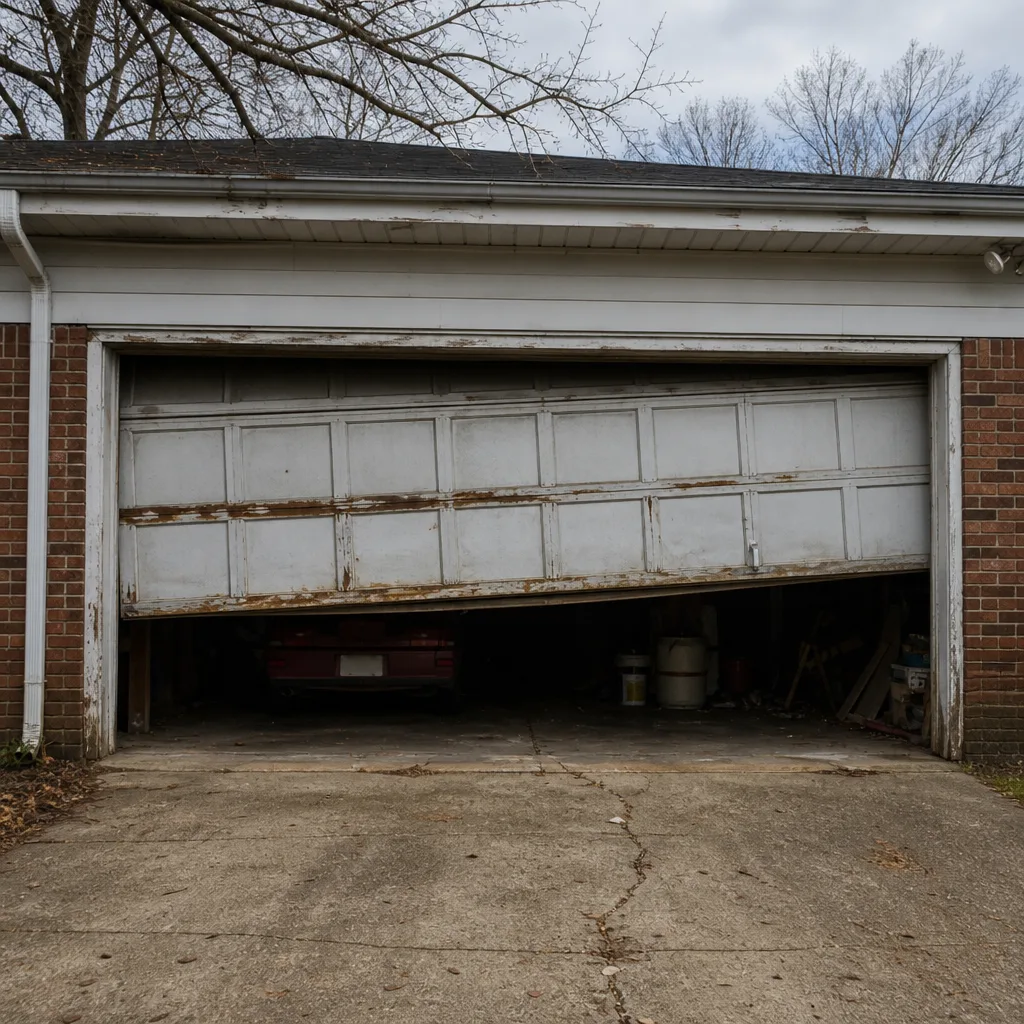 Before
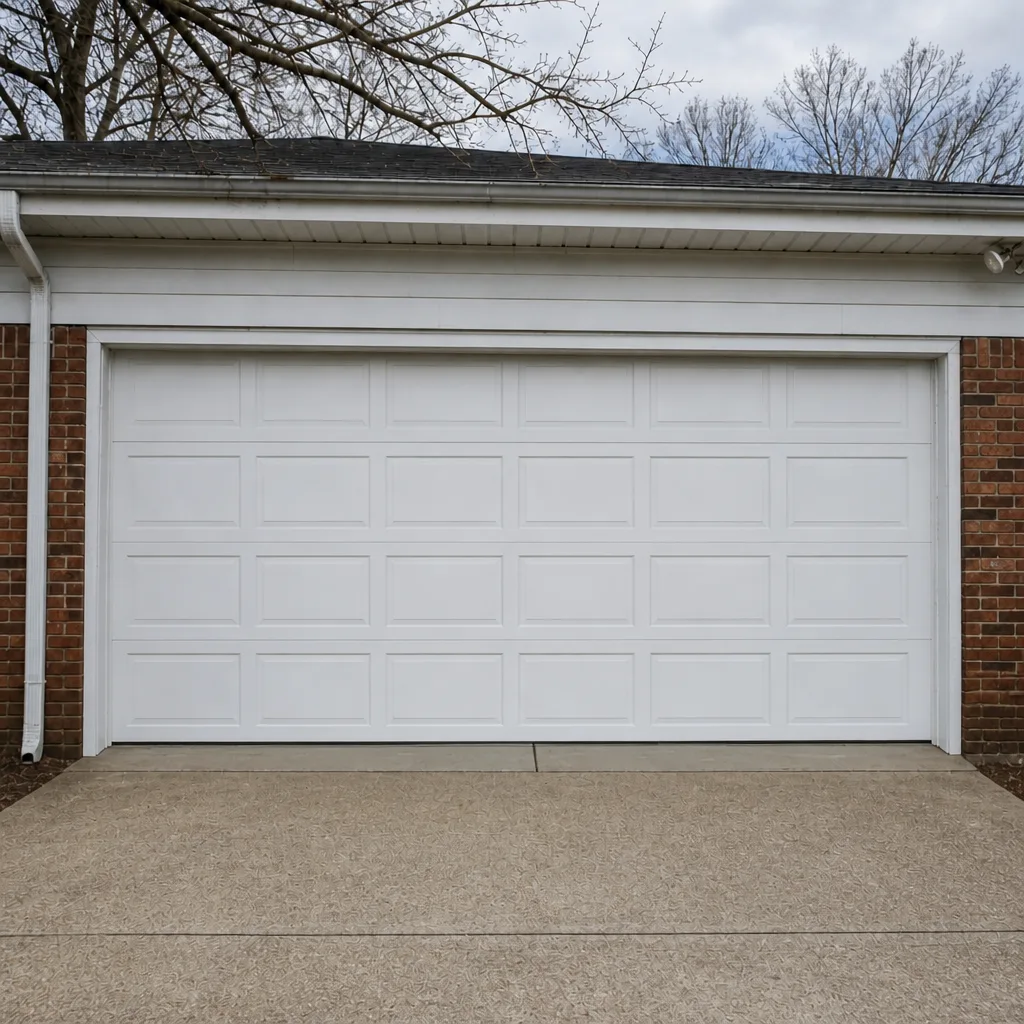 After
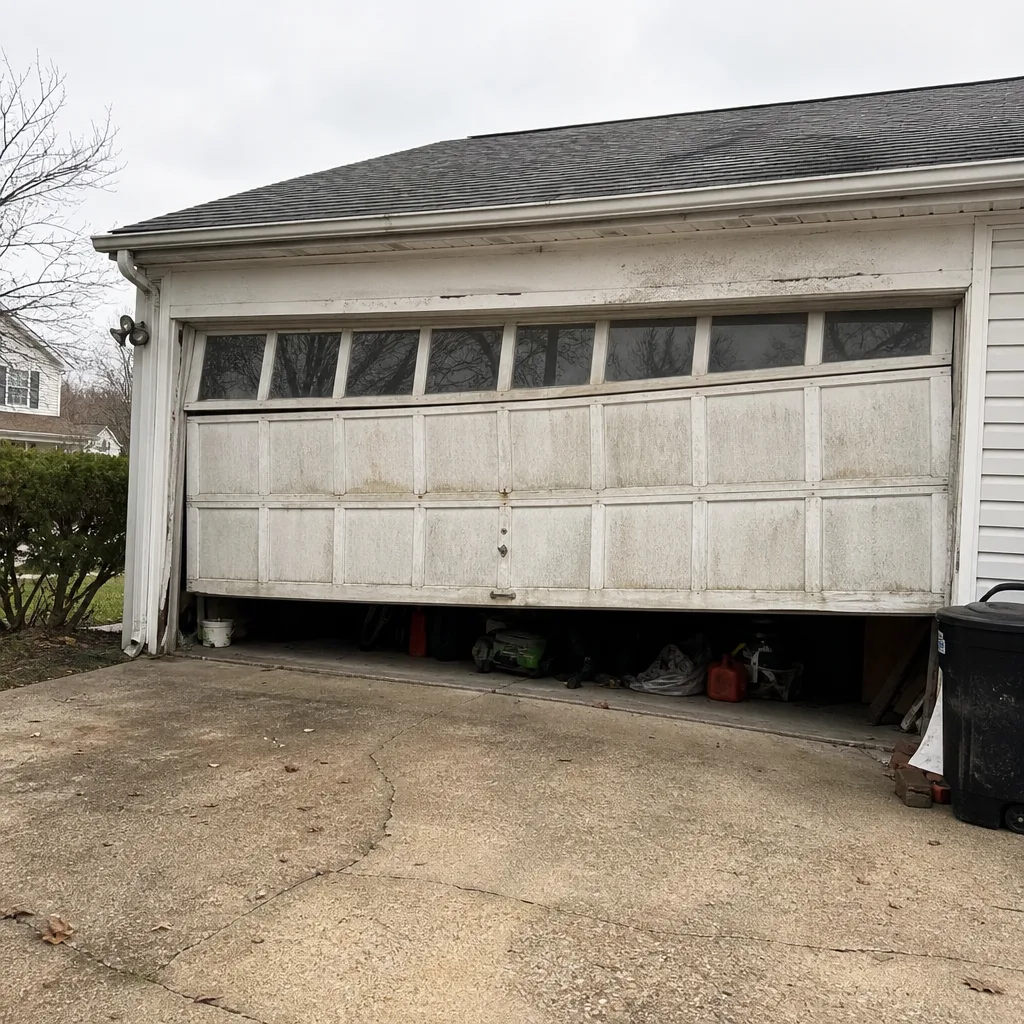 Before
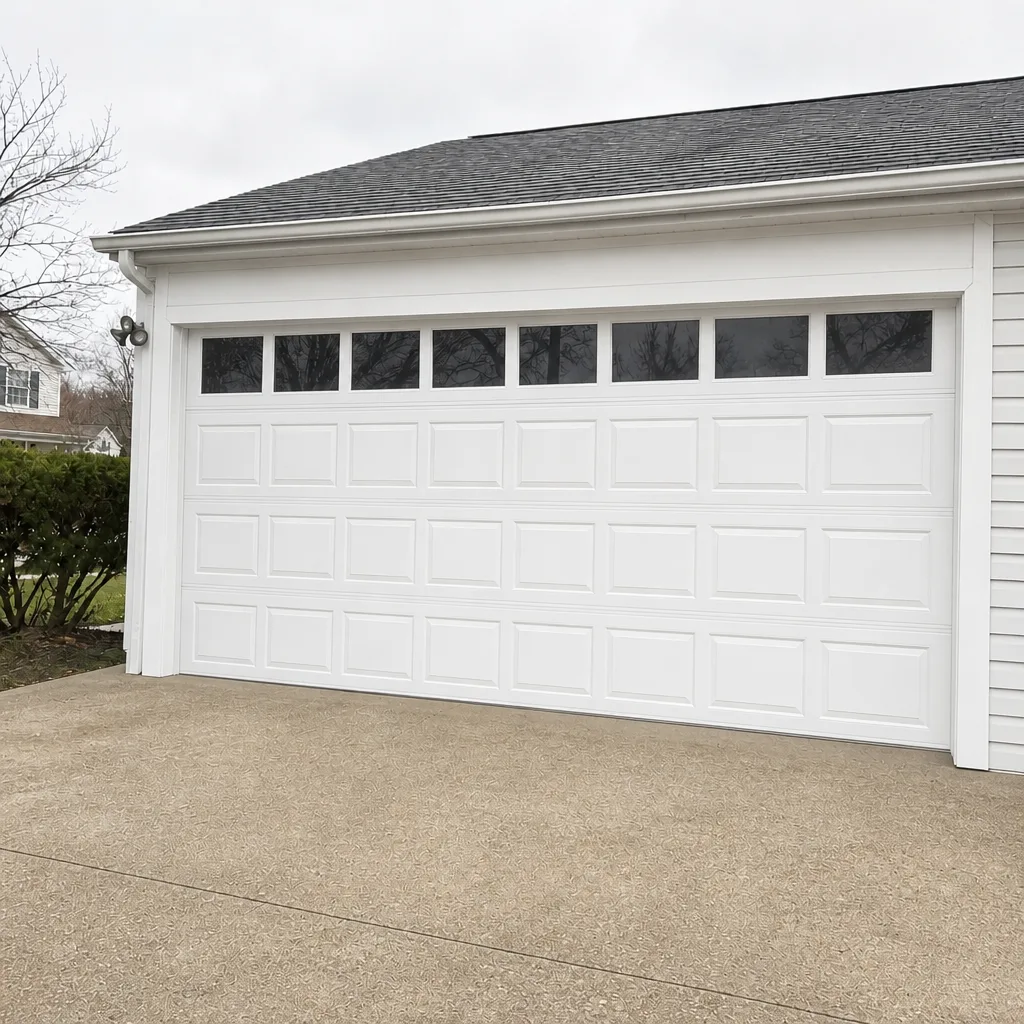 After
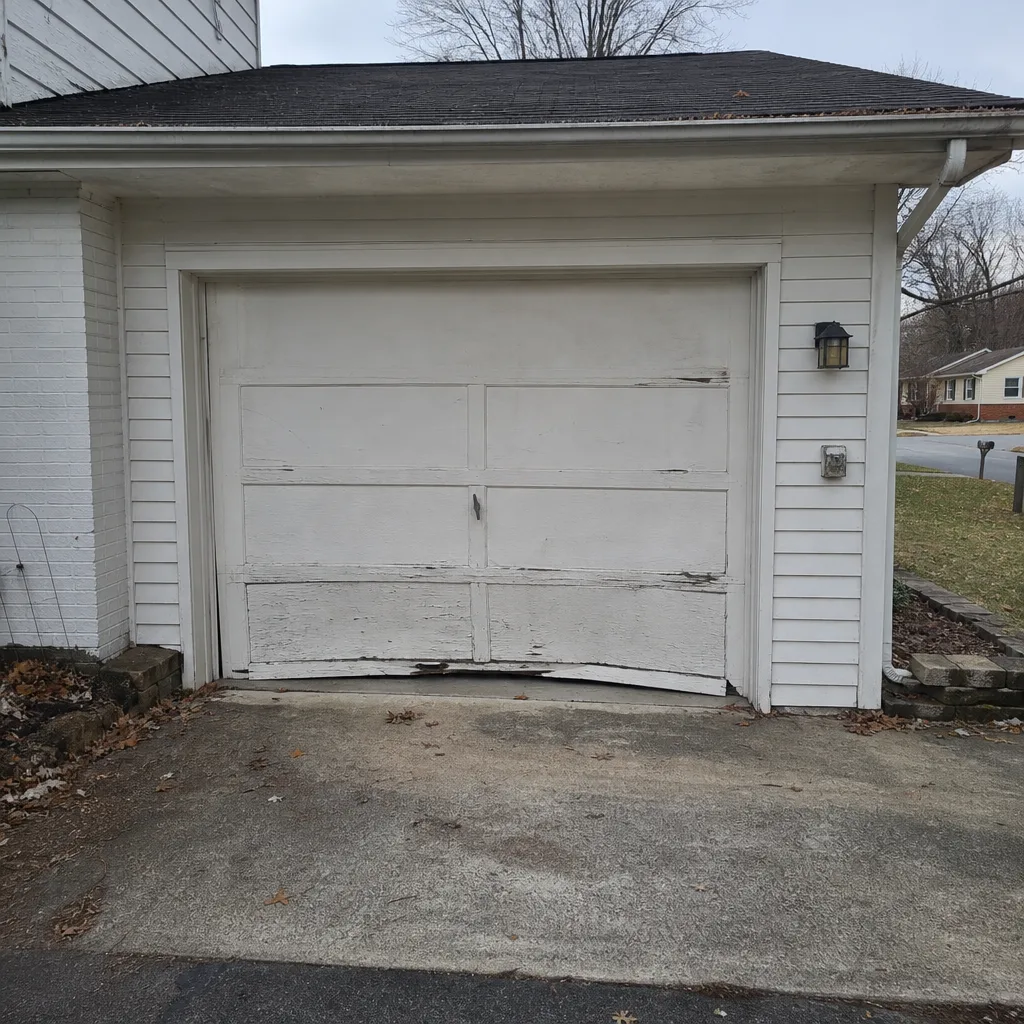 Before
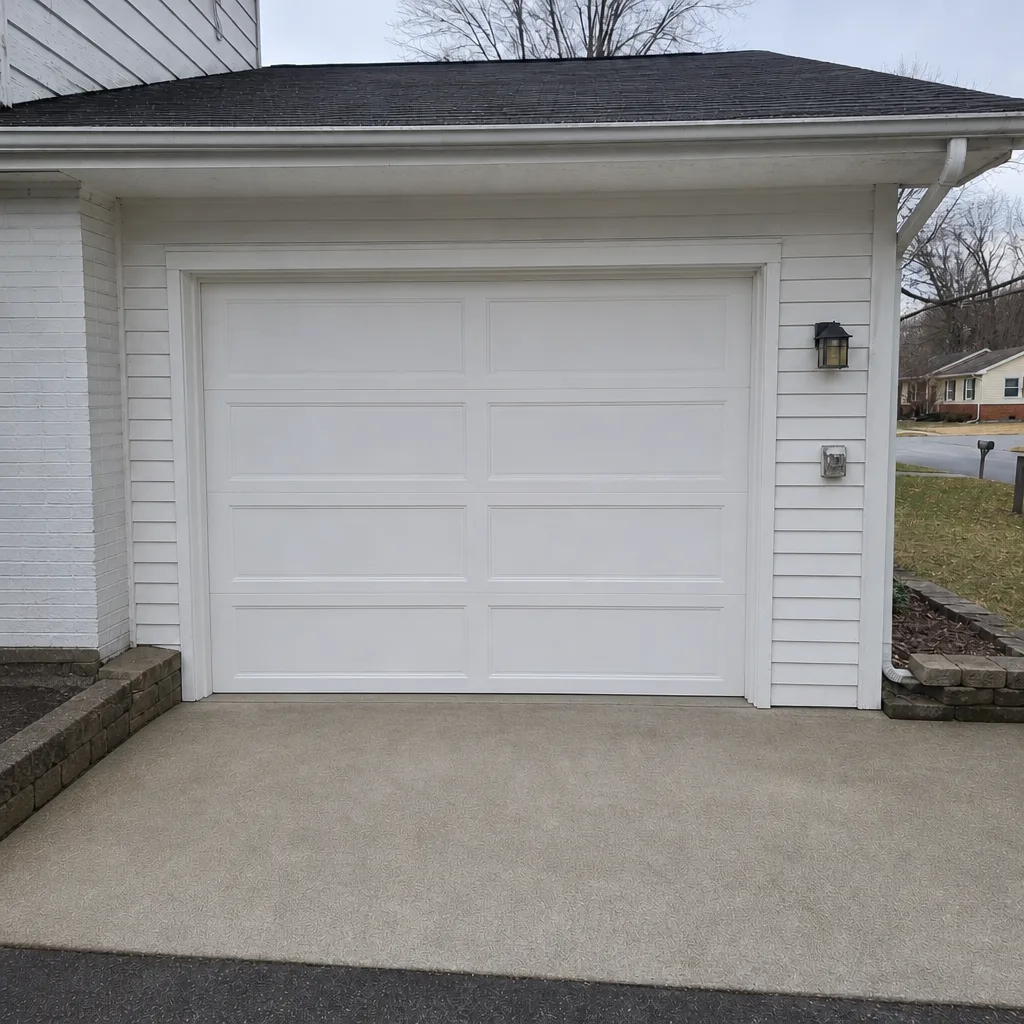 After
When to Call a Professional
Some garage door problems are genuinely dangerous and shouldn’t be touched by anyone untrained. High-tension springs and the cables under load can cause serious injury if they’re handled without the right tools and training. If a spring has snapped, a cable is frayed, the door hangs unevenly, or the opener lifts a door that’s out of balance, that’s a call for a professional, not a weekend project. Broken hardware that leaves the house exposed is another case for immediate help. We recommend a trained technician for anything involving springs or cables on the door. Richmond Garage Door Repair Co offers free estimates in Richmond, so call (833) 508-9230 and we’ll talk through what’s happening before anything is scheduled. That call costs you nothing and often saves a door from further damage.
Frequently Asked Questions
Ask whether they service brands they didn’t install and listen for a confident yes with named examples. A brand-agnostic contractor can explain how they’d handle a Craftsman opener or a newer LiftMaster without steering you toward one line. If they hedge or push a single brand, that’s a dealer with inventory to move. If the answer is vague, call (833) 508-9230 for an estimate and we’ll talk it through.
“Do you service brands you didn’t install?” It reveals whether the person in your garage is a diagnostician or a salesperson. A specialist works on the equipment already installed, while a single-brand dealer is motivated to recommend their own products. Call (833) 508-9230 for a free estimate if you want a straight answer from a brand-neutral team.
Ask for the license number and the name it’s registered under, then confirm both against the state’s public licensing database. Confirm the license class covers your project’s value, and request proof of liability insurance and workers’ compensation. When in doubt, check with the state and your city’s building department. Call (833) 508-9230 with questions before you hire anyone.
It may be quoting a single spring when a pair is typically replaced together, and a pair costs about twice a single spring. Others may exclude labor, disposal, or a necessary component. Ask specifically whether the quote is for one spring or a matched pair. For a clear written price, call (833) 508-9230 – estimates are free.
Not directly, because the scope differs. A tune-up usually covers adjustment and lubrication, while a repair replaces failed parts. Ask each contractor what’s included and whether the fee is credited toward the repair. Then compare like for like. Call (833) 508-9230 if you want help translating the scope on your quotes.
Call for emergency service rather than waiting, since an open or stuck door is a security concern. Ask for the written estimate before work begins and confirm the contractor handles the brand you have. Emergency service should never skip the paperwork. Call (833) 508-9230 and we’ll work through what’s happening and how soon we can help.
The Bottom Line
The right garage door contractor in Richmond is defined by what they don’t push. Verify the Virginia license, ask the brand question, insist on a written itemized estimate, and watch for the diagnostic-versus-sales distinction. The quote that looks cheapest is often the one with a partial scope, and the contractor with one brand recommendation is usually a dealer. Compare quotes on scope, not just total, and never let urgency override the paperwork. The person who can work on the equipment already in your garage, from a legacy Craftsman to a new LiftMaster, is the one who’ll give you a straight answer. That’s the standard we hold our team to at Richmond Garage Door Repair Co, and we’re happy to earn the visit.
Call (833) 508-9230 for a free estimate. We’ll talk through your door and opener, put the price in writing, and agree on it before any work starts. The written estimate sets the final price, and the technicians we connect you with are licensed and insured as Virginia requires. Spring failures don’t wait, and neither do we.
Written by the team at Richmond Garage Door Repair Co.