Last updated November 21, 2026
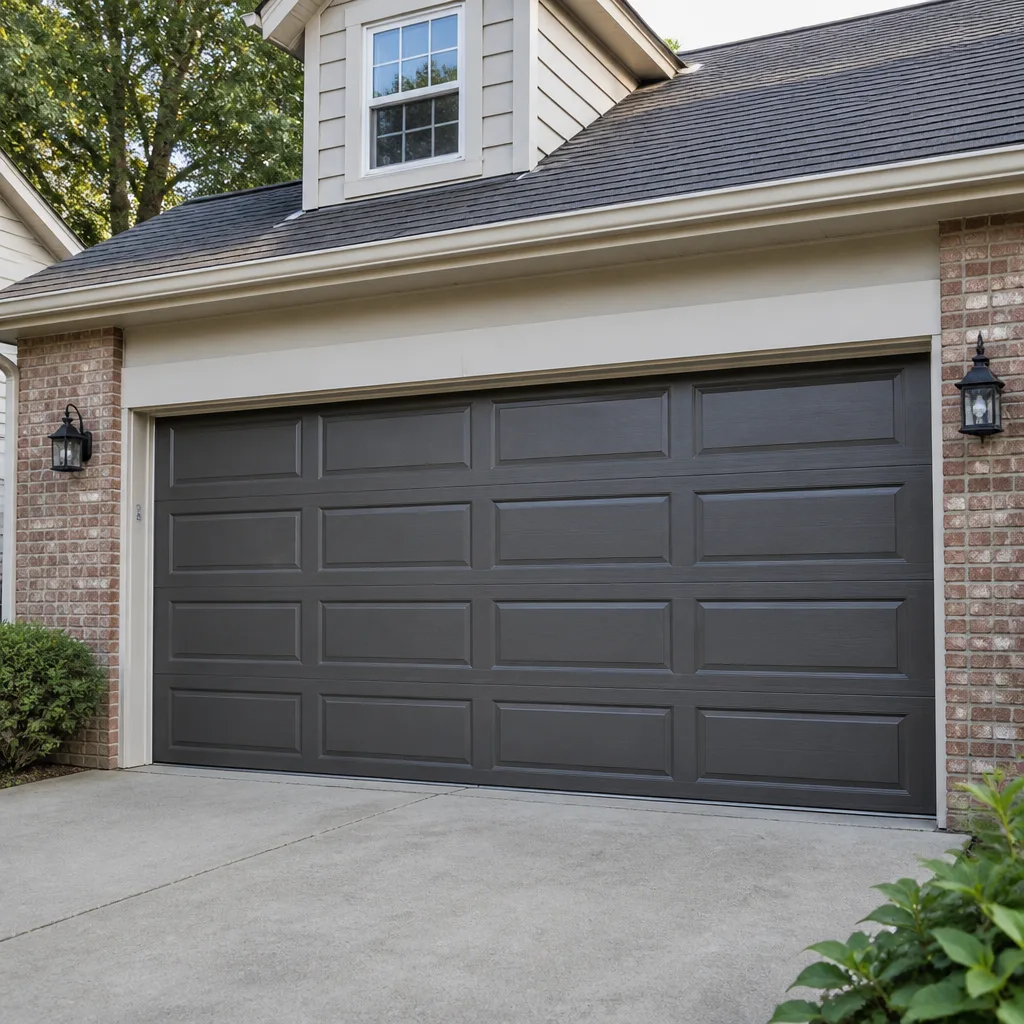 Raised-panel steel
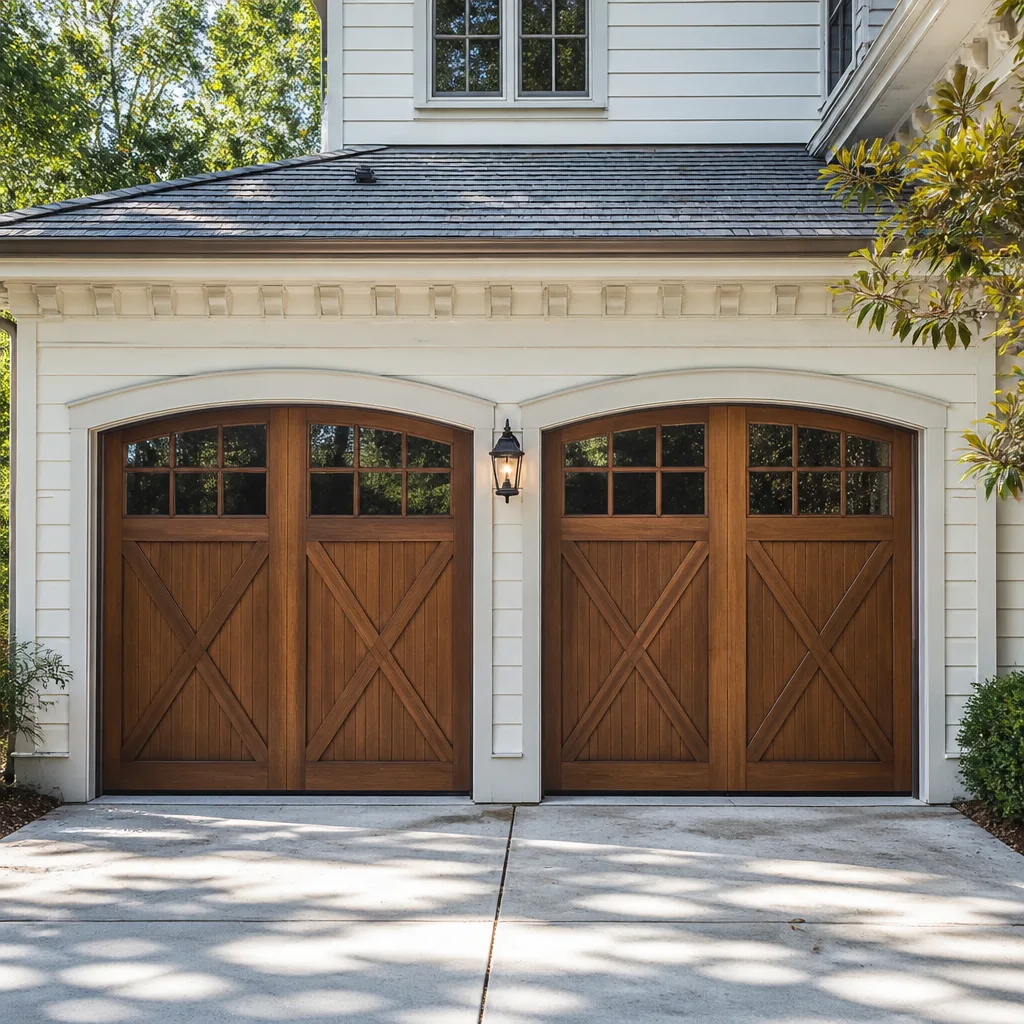 Carriage house
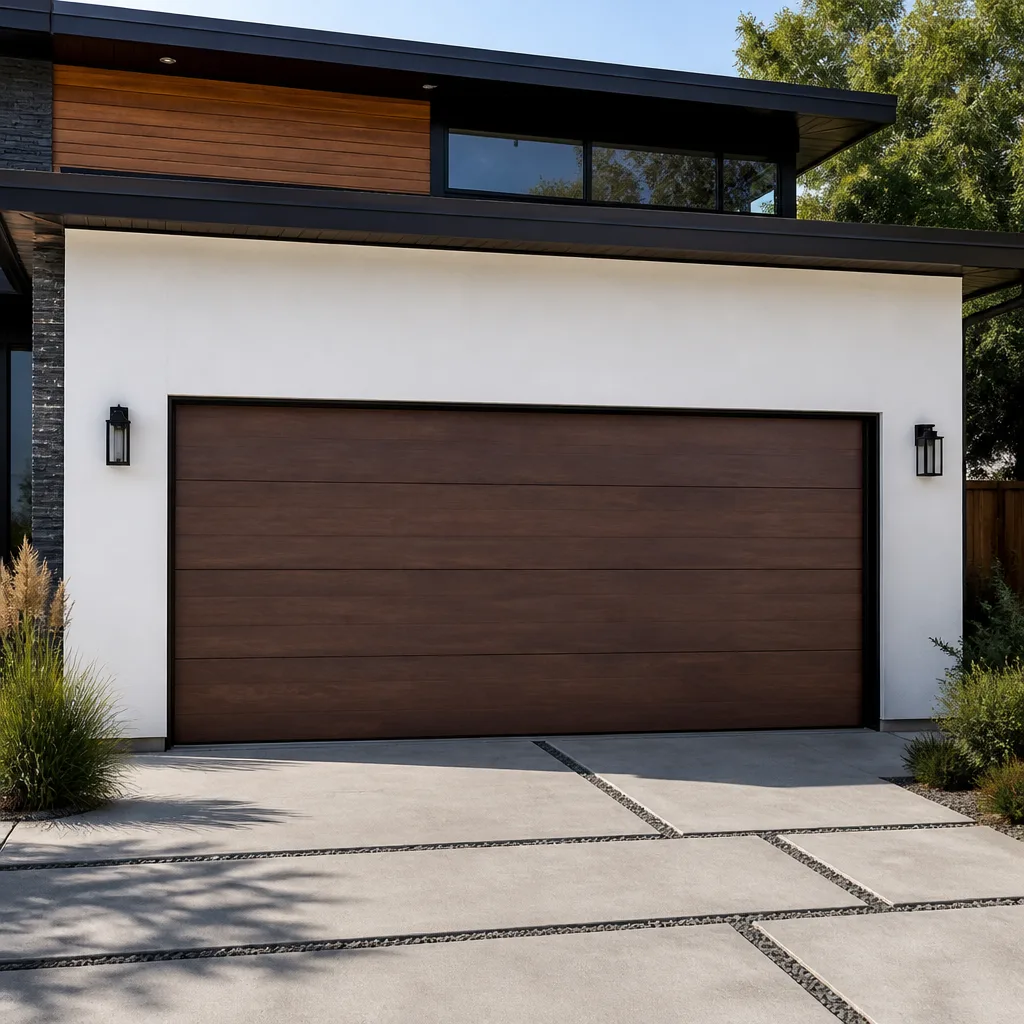 Modern flush
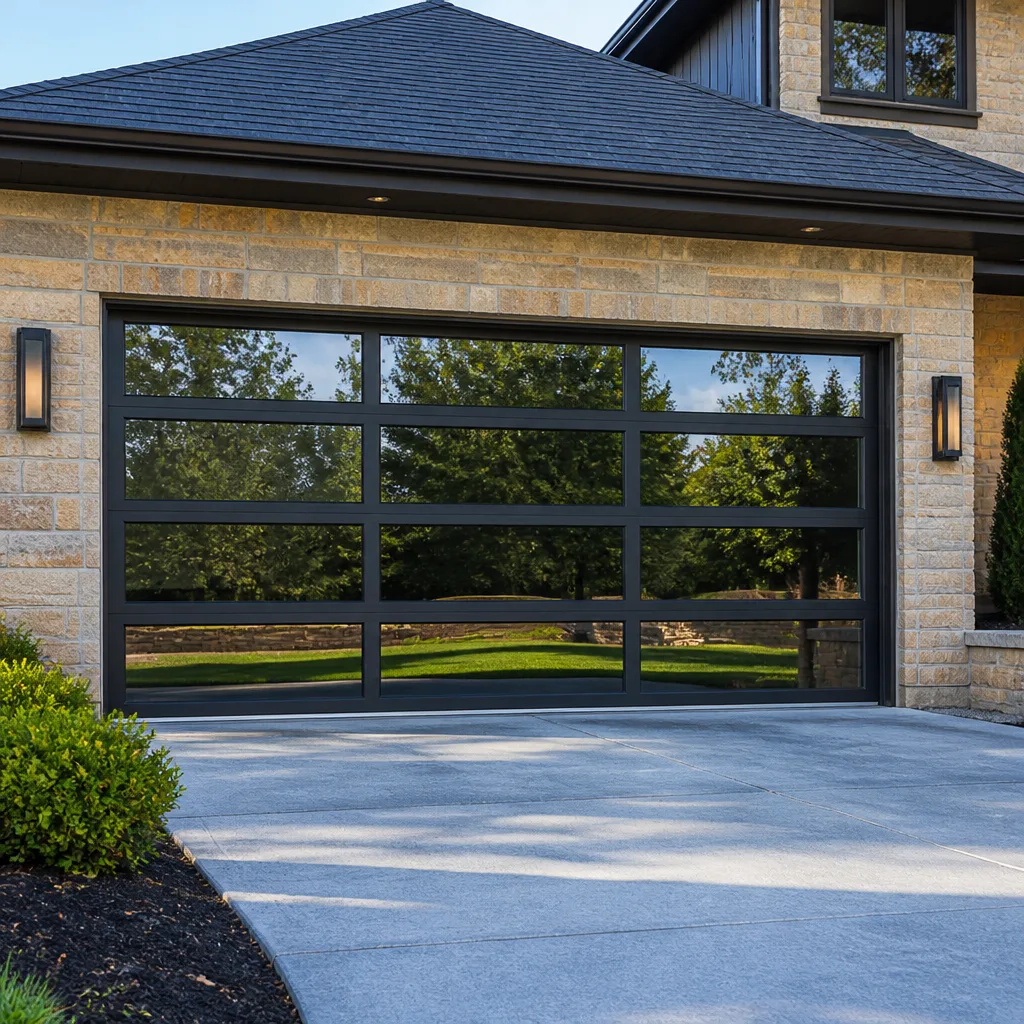 Full-view glass
 LiftMaster openers
 Chamberlain openers
Full 25-point door and opener safety check with every visit - springs, cables, rollers, tracks, and your LiftMaster or Chamberlain opener included
You get a price before we start. It does not change when the pro arrives.
Get your free estimateGarage Door Warning Signs: A Richmond Homeowner’s Reference Guide
A garage door doesn’t snap a spring without warning. It gives weeks of signals first: a faint pop, a door that opens a little slower each morning, a roller that starts to squeal. Most homeowners write those off as “it’s just getting old,” right up until the morning the door won’t open and the car is stuck inside. The loud problems are easy to read. The quiet ones are the ones that strand you. This guide separates cosmetic symptoms from structural warnings, explains what each sound and hesitation is actually telling you, and gives you a clear line for when to stop using the door entirely. We’ve spent years diagnosing exactly this in Richmond, and the pattern holds.
Quick Answer
The most serious garage door warning signs are the quiet ones: a door that lifts easily by hand but strains on the opener, a visible gap in a torsion spring, a cable that has slipped out of its drum, or a door that hesitates before moving. These point to spring or cable failure and mean you should stop using the door and call for an inspection. Grinding, squealing, and slow movement can be minor friction issues, but balance and tension symptoms are structural and safety-critical.
Styles & brands we work with
- Raised-panel steel
- Carriage house
- Modern flush
- Full-view glass
- LiftMaster openers
- Chamberlain openers
Table of Contents
- Slow movement: friction versus spring tension loss
- Reading the sound by location
- Five visual checks you can do without tools
- Why a door that works by hand but fights the opener matters
- The stop-using-the-door threshold
- How Richmond’s humidity and aging housing stock accelerate wear
- Opener warning signs for LiftMaster, Chamberlain, Genie, and older systems
- When a warning sign becomes a professional repair
Slow Movement: Friction Versus Spring Tension Loss
A slow door has two completely different causes, and only one of them is urgent. That distinction is the single most important thing in this guide. If you learn nothing else, learn this one.
Slow because of friction feels like a door that drags but still travels with steady effort. You’ll usually hear metal rubbing, a rhythmic squeal, or a scrape near the tracks. Rollers that have lost their bearings, tracks that are bent or out of plumb, and hinges that have dried out all cause friction. The door itself still wants to move; it’s just being held back. This is a maintenance issue. Fix it before it wears out the opener, but you have some runway.
Slow because of spring tension loss feels different in a way homeowners often miss. The door starts slowly, may hesitate mid-travel, and the opener seems to be working much harder than usual. The spring has lost some of the lift it’s supposed to provide, so the motor is carrying more of the door’s weight. That means the metal inside the spring is closer to its fatigue limit. A torsion spring near failure can unwind suddenly, and the resulting force is why spring work is a job for a trained technician, not a weekend project. There’s no warning louder than that.
How to tell which one you have: watch the door travel its full cycle in one motion. Friction feels like a constant drag. Tension loss feels like the door is fighting a losing battle against itself, accelerating unevenly and stalling in the middle. If it’s the second, stop using the door and get an inspection.
Reading the Sound by Location
Where a noise comes from matters more than how loud it is. A grinding opener is often cosmetic; a pop in the spring system is often the last sound before failure. Get in the habit of standing in the garage and listening during one full open and close cycle. Here’s what each sound tells you.
- Grinding or humming at the opener: The motor is struggling, or the drive gear or chain is worn. This is common on older LiftMaster and Chamberlain units that have run a lot of cycles. It usually means an opener repair, not a door emergency.
- Popping or a sharp snap inside the torsion shaft or spring: This is a spring symptom. If you hear a pop and the door suddenly gets very heavy, one spring in a pair may have already broken. Stop using the door immediately.
- Squealing or screeching at the rollers: Worn bearings in the rollers or dry hinges. This is friction, not tension. It’s a fixable nuisance that can be quieted and is worth addressing before it wears the tracks.
- A rattling bang near the hinges or panels: Loose hardware or a hinge pulling free. Check that the hinges are tight, but if a panel is shifting, that’s panel damage to inspect before it spreads.
- A scrape along the floor line: The door is dragging on the bottom seal and probably out of alignment. This can be a track or hinge issue, not a spring issue.
In our experience, homeowners in Richmond tend to notice the loudest sound and ignore the quietest, but the quietest is usually the more serious. Grinding you can hear from the kitchen is annoying. A soft pop you might miss is the one that matters.
Five Visual Checks You Can Do Without Tools
You don’t need a screwdriver to spot most of the serious warning signs. Stand back and look. These five checks take about two minutes and catch the failures that matter most, because once a spring or cable is compromised, the part that follows it under tension is the part that does the damage. That’s why we don’t hand out step-by-step repair instructions here. Inspecting with your eyes is safe; touching a wound spring or a cable under load is not.
- Look at the springs above the door. If you see a gap anywhere along the length of a torsion spring, or a spring that looks visibly relaxed compared to its neighbor, it has failed. Do not run the door.
- Check the cables on each side of the door. A cable should sit neatly in its drum at the top of each track. A cable that’s frayed, slack, crossed, or off the drum is a structural warning. Keep your hands clear of it; an untensioned cable can still snap back.
- Look at the rollers inside the tracks. Worn rollers look flat on one side, cracked, or shiny and loose in the bracket. Squealing rollers are usually the first ones to fail, and one that pops out of the track is a security risk.
- Sight down the tracks from the floor. Tracks should be straight and parallel to each other. A bend, a kink, or a track that’s pulling away from the wall means the door is traveling on a bad line and will wear unevenly.
- Look at the bottom seal and the gap when closed. A door that won’t close flush to the floor, or a seal that’s cracked and pulling away, lets in humidity, water, and pests. In Richmond’s wet springs, that seal earns its keep.
None of these checks require you to touch a spring or a cable. If a visual check leaves you unsure, that’s a reason to call for an inspection. A technician can confirm the diagnosis safely.
Why a Door That Works by Hand but Fights the Opener Matters
This is the most misread symptom on the whole door, and it’s worth its own section because the fix and the danger are both hiding in the same behavior. Pull the manual release and lift the door by hand. A well-balanced door should lift easily and stay where you put it, roughly halfway open or anywhere between. If the door feels heavy, won’t hold its position, or drops on its own, the spring system is no longer balancing the door’s weight.
Now reconnect the opener. That same door tried to open normally on the motor. Here’s why that matters: the opener isn’t designed to lift the full weight of the door. It’s designed to lift a door the springs have already made nearly weightless. When the springs lose tension, one of two things happens. The opener carries the extra load and eventually burns out its motor or strips its gear, or it forces a fatigued spring one cycle closer to failure.
So a door that opens fine manually but strains on the opener is a spring balance warning, and the opener part of the equation is the giveaway. It’s also the reason we recommend testing the manual release a few times a year. It’s the cheapest diagnostic you own. If the door is heavier this month than you remember it being last month, that’s your cue to call for an inspection. Don’t wait for the click, the pop, or the morning it won’t open.
The Stop-Using-the-Door Threshold
Some warning signs are “call this week.” Others are “stop now.” Here is the line, and it’s worth taping to the inside of your garage door opener housing if you’re forgetful.
Stop using the door immediately if any of these is true:
- A torsion spring shows a visible gap or is clearly broken.
- You’ve heard a loud snap or pop and the door is suddenly very heavy.
- A cable is off the drum, slack, frayed, or hanging unevenly on one side.
- A door has come off its track on one side and is hanging crooked or jammed.
- A door has slammed down hard or fallen without the safety reverse stopping it.
- A hinge or bracket has pulled free and a panel is shifting.
- The opener runs but the door doesn’t move, and the door is straining against something.
In any of these cases, don’t run the door to “see what happens.” That test is what turns a repair into a much bigger problem, and with a spring or an off-track door, it’s a safety matter. A broken spring, a slack cable, or a crooked door under tension is exactly the kind of thing a trained technician is trained to work around. Hand the door over and let them handle it.
The good news for Richmond homeowners is that most of these situations are repairable, often same-day, if you call before testing the door again. Springs don’t wait, and neither do we: our garage door repair line handles exactly this kind of call every day.
How Richmond’s Humidity and Aging Stock Accelerate Wear
Central Virginia’s weather is hard on garage door hardware in ways homeowners don’t always connect to the door. Summers run hot and muggy, springs and springs’ coils sit in a humid garage for months, and the winter swing back to cold nights stresses the same metal in the other direction. Springs are rated by the number of cycles, and cycle fatigue moves a little faster in a garage that never quite dries out. You’ll also see it in the door itself: cracked bottom seals, rusted roller bearings, and hinges that seize in the cold.
Richmond’s housing stock matters too. The older neighborhoods around the Fan District, the Museum District, and Church Hill have garages and carriage-style structures that have been running the same hardware long past its rated cycle count. A 60-year-old door doesn’t fail more dramatically than a new one; it fails sooner because the spring inside it has already been cycled tens of thousands of times. Meanwhile, newer subdivisions in the West End sometimes have better-sealed doors but openers that have never been serviced. Neither situation is a crisis; both are reasons to read the warning signs early.
What this means in practice: a door that runs quietly all summer and then starts squealing in January, or a spring that starts to slow the door in spring, is on a seasonal rhythm common in Richmond. Don’t dismiss it as “just the weather.” The weather is the trigger, but the wear is real. If it’s garage door opener repair you’re trying to avoid, keep the door balanced and the tracks clean, and it’ll last longer.
Opener Warning Signs for LiftMaster, Chamberlain, Genie, and Older Systems
An opener doesn’t fail silently, either. Modern smart-home openers like the LiftMaster and Chamberlain systems that talk to the myQ app, and legacy units like Genie and Craftsman that don’t, all show the same kind of red flags before the motor gives out. Knowing them saves you from the morning your door won’t respond to the remote.
- Remote only works close to the door: The opener is aging or its antenna or logic board is weakening. On a newer LiftMaster, check the battery in the remote first.
- Door moves a few inches and stops: The safety sensors are blocked or misaligned, or the travel limits are off. This is usually a sensor adjustment, not a motor failure.
- Door reverses immediately after the close: The safety reverse is triggering. If the door hits nothing on the way down and it still reverses, the opener’s force limits are set wrong or the door is dragging on the floor.
- Motor hums without movement: The drive gear or belt has slipped. This is a repair, not a replacement.
- Light flashes in a code pattern when you cycle the door: Modern LiftMaster and Chamberlain units use that flashing light to signal a fault. It’s worth a look at the manual or a call.
- Learn/reset functions stop working: On older Craftman and Genie units, a fading logic board often shows up here first, and the app on the smart-home systems won’t reconnect.
Here’s the part many homeowners get wrong: an opener diagnosis is a door diagnosis too. A struggling opener is often carrying a door that’s no longer balanced, so the fix might be a spring adjustment, not a new motor. The right move is to have the whole system looked at before you buy a replacement. In our experience, that’s the difference between paying for an opener you didn’t need and spending that money on the actual problem. If it’s time for a new door, our garage door installation team installs Clopay, Amarr, Wayne Dalton, and Raynor systems without steering you to just one.
When a Warning Sign Becomes a Professional Repair
Any spring, cable, or track symptom is a professional call. That’s the short answer. The longer version: the components that hold a garage door’s weight are under tension that a homeowner shouldn’t try to manage, and the parts that fail quietly are the ones that fail dangerously. A grinding roller is a maintenance item you can put off a week; a spring with a gap is a stop-and-call. Cables off the drum, a door that’s come off its track, a hinge pulling free, a door that reverses for no visible reason: all of these are inspections.
For everything else, the threshold is simply whether the door is safe to use. If it runs, stops, and stays put, you can call for a tune-up. If it hesitates, hangs, or sounds like something under the panels is about to give, stop and call. That’s the same line we use when a technician walks up to a door.
Richmond’s spring demand is real, and a spring job on a Monday morning is how a lot of our week starts. Our technicians have up to 13 years of experience, including on springs, and we treat spring repair as a core service rather than a specialty we farm out. That’s part of why we know a failed spring when we see one on your door, not just on the manual’s schematic.
Common Mistakes to Avoid
These are the ones we see most often, and each one is a chance to save yourself a bigger repair.
- Ignoring the slow door until it won’t open: A door that opens slowly is telling you something is failing. Waiting for the full stop turns a spring replacement into a stranded car.
- Testing the door after a pop or snap: If a spring failed, running the opener just cycles the door toward more damage and puts you near a loaded component. Stop and call.
- Assuming a noisy opener means a new opener: Many noisy LiftMaster and Chamberlain units just need a drive gear or chain, while the door is the actual issue. Get the diagnosis before spending on a motor.
- Lubing a spring or cable that’s already damaged: Lubricant masks the sound but not the wear. A visual inspection comes first.
- Treating a sagging door as cosmetic: A sag or a panel that’s out of line means the door’s structure is compromised. That’s a repair, not a paint job.
- Forgetting the manual release test: Homeowners rarely lift the door by hand. A heavy door is the cheapest early warning you have, and most people never check it.
- Letting the bottom seal crumble through a Richmond spring: Once the seal fails, humidity and pests get into the garage and the door’s travel gets harder on a wet floor.
See the difference
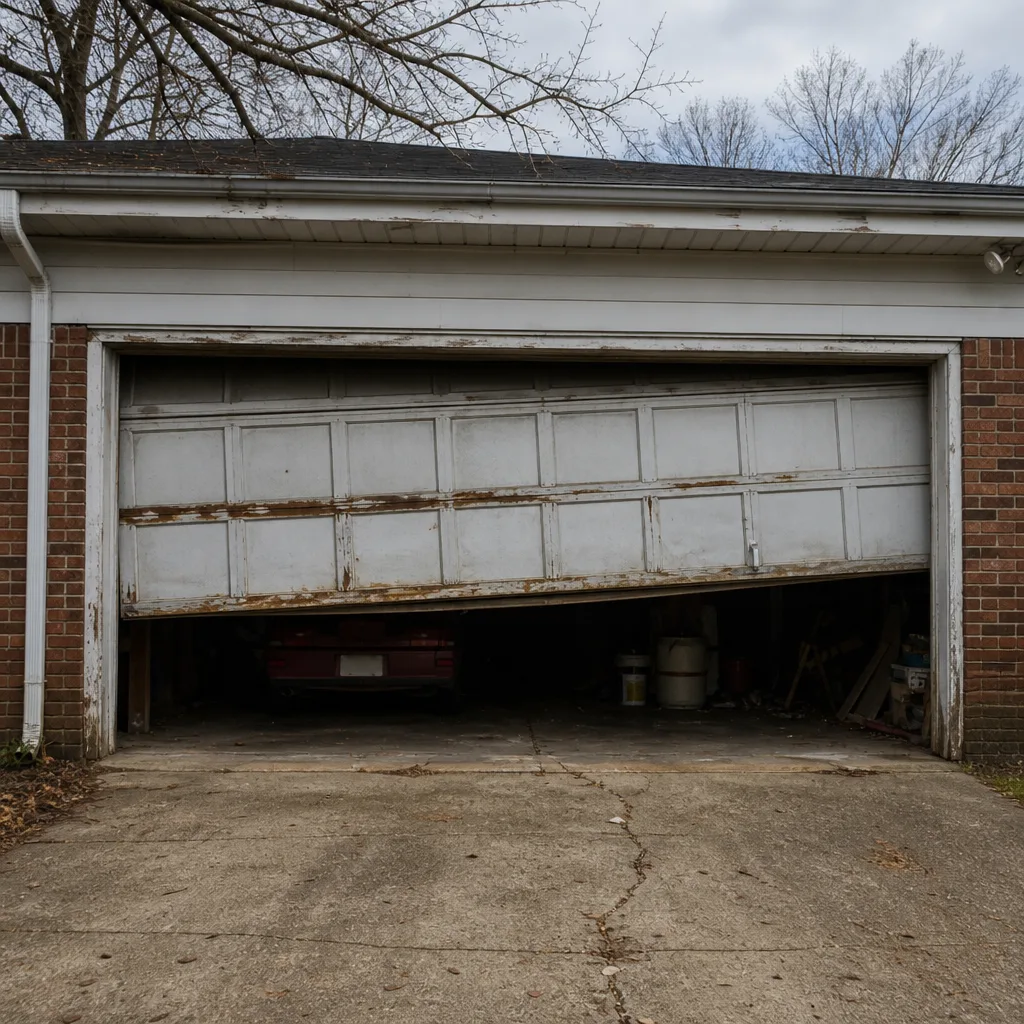 Before
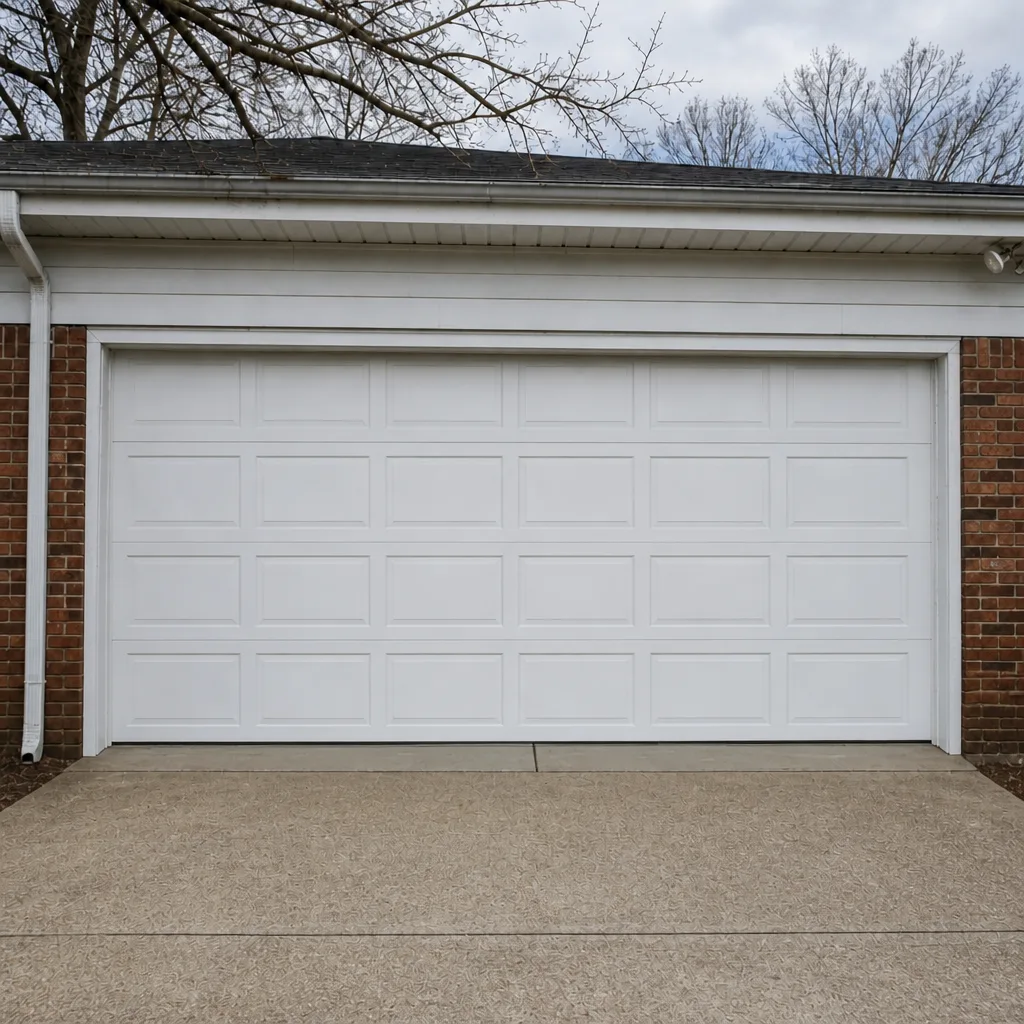 After
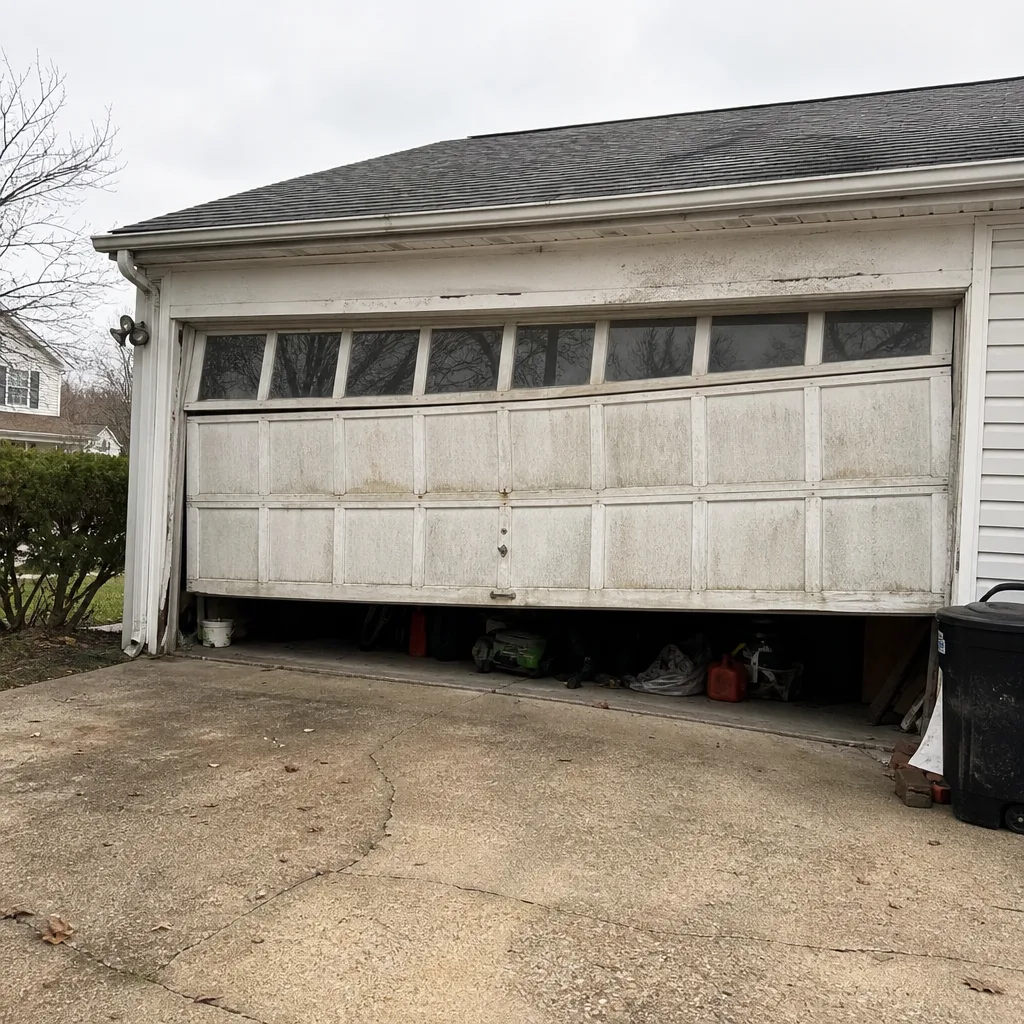 Before
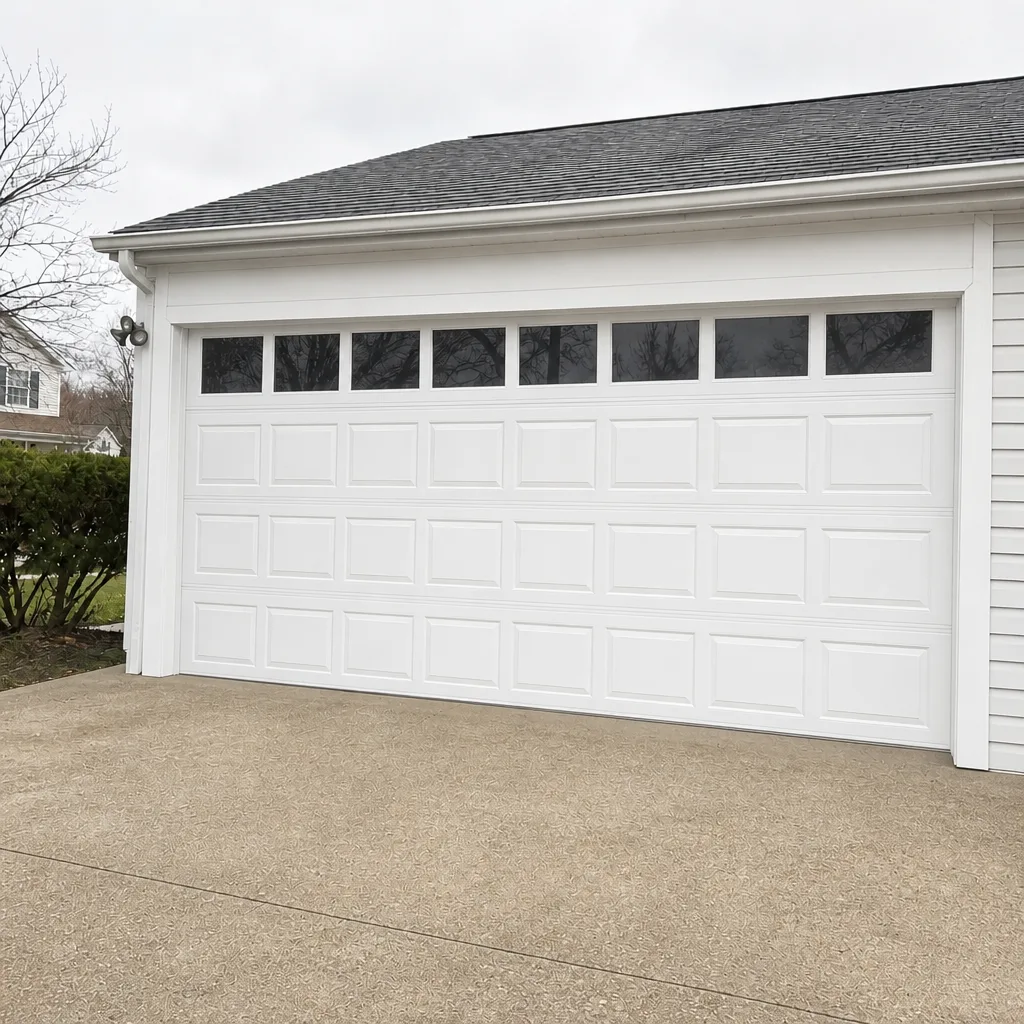 After
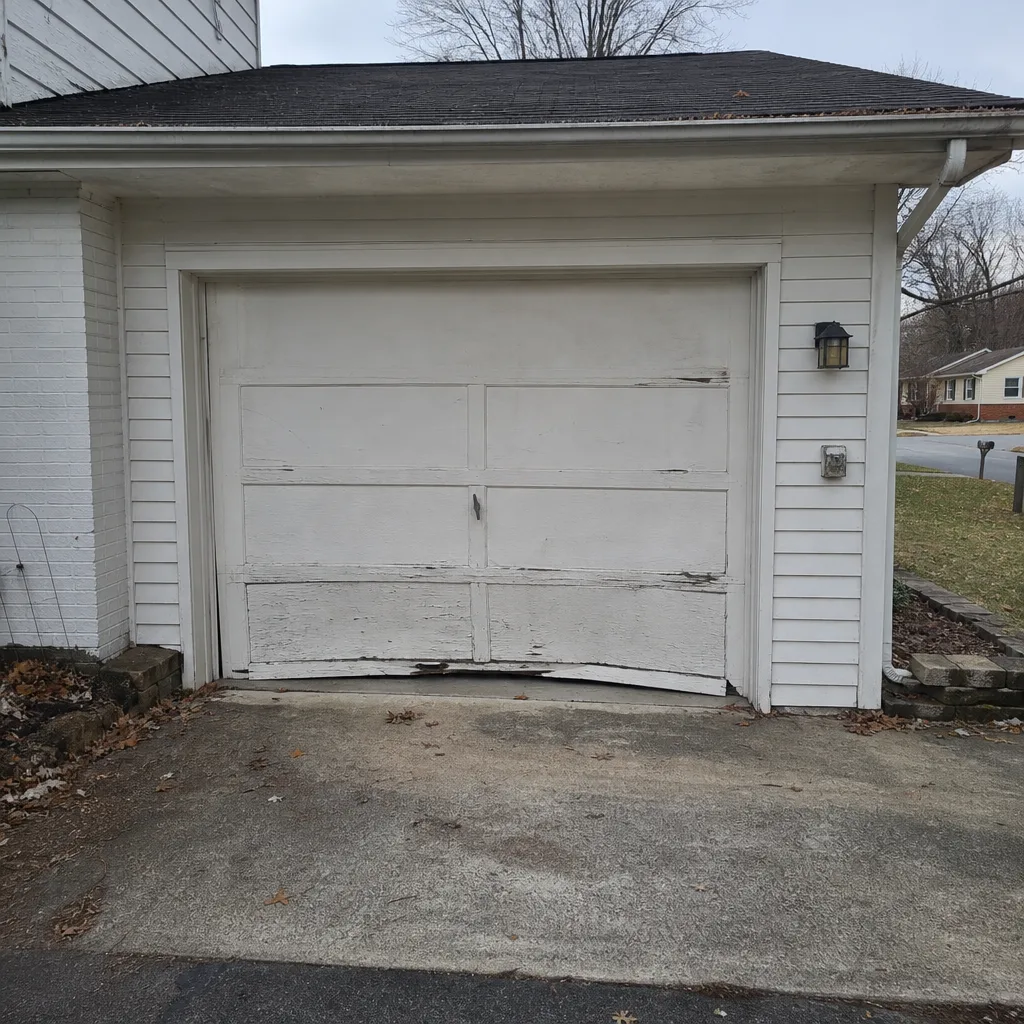 Before
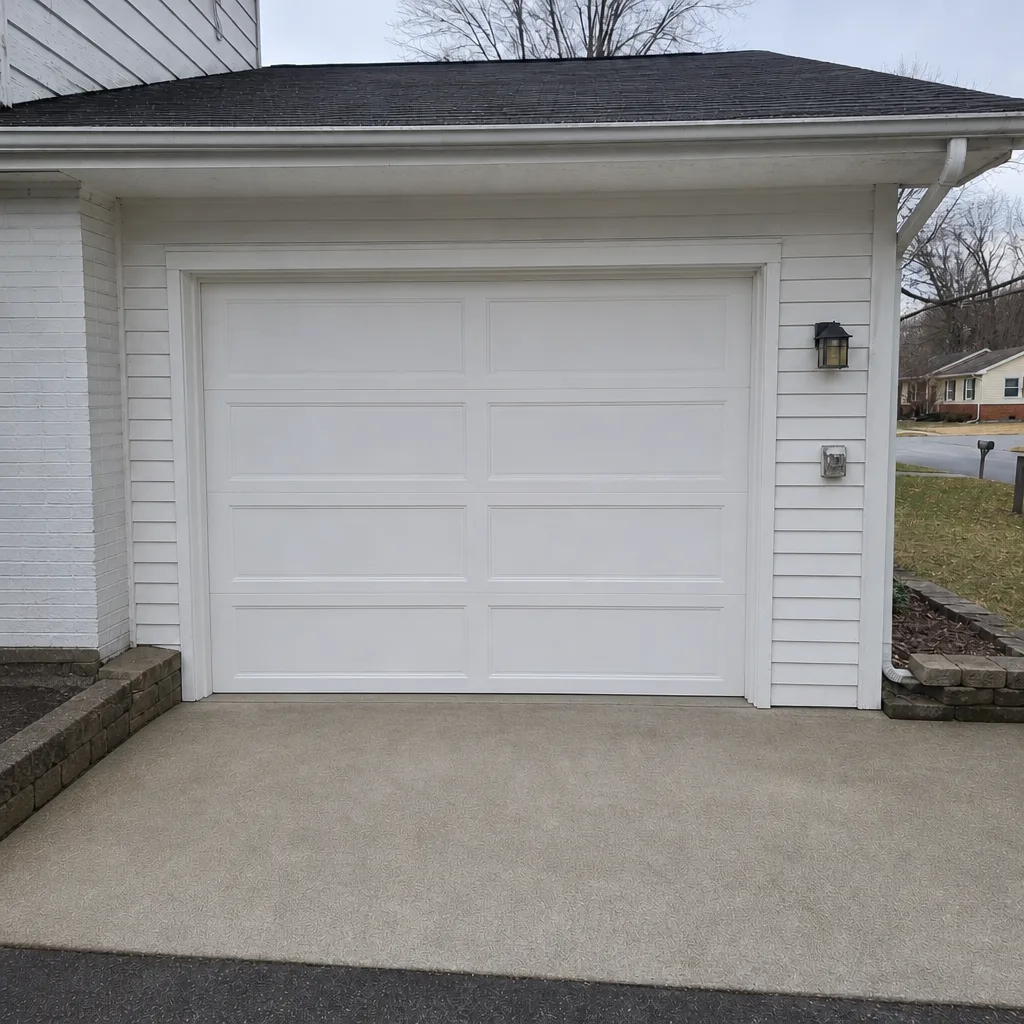 After
When to Call a Professional
Call for a professional inspection when a spring shows a gap, a cable is off its drum or slack, the door has come off its track, or you’ve heard a pop or snap and the door is suddenly heavy. Call before you cycle the door again. Call for an opener that hums without moving, a door that reverses on its own, or a door that works by hand but struggles on the motor. All of these are warning signs that a trained eye should confirm before you use the door again. For routine squealing, slow movement, or a bottom seal issue, a service visit catches problems before they grow.
If your door isn’t safe to run, don’t wait until it’s convenient. Richmond Garage Door Repair Co offers free estimates in Richmond and dedicated emergency service for exactly these situations. Call (833) 508-9230 and we’ll get a technician out to make sure the largest moving part in your home is working safely again.
Frequently Asked Questions
The most serious signs are a visible gap in a torsion spring, a cable that’s off the drum or slack, a door that’s come off its track, and a door that works by hand but strains on the opener. These point to spring or cable failure, which is safety-critical. Stop using the door and call for an inspection. Call (833) 508-9230 for a free estimate.
Springs are rated in cycles, not years, and central Virginia’s humid summers and cold snaps stress the metal both ways, so cycle fatigue is real here. A door that’s been used daily for decades, common in older neighborhoods like the Fan District and Church Hill, is well past the point where its spring should be inspected. Watch for the slow-door sign and check for a gap in the spring. A technician can tell you if yours is nearing its limit.
A door that lifts easily by hand but fights the opener usually has a spring balance problem, not an opener problem. The spring should make the door nearly weightless, so if the motor is carrying the load, the spring has lost tension. That’s a warning sign. Have a technician check the spring before you buy a new opener.
No. A wound torsion spring is under extreme tension, and the force released when one breaks or is mishandled can cause serious injury. Spring repair requires the right tools and safety procedures, so leave it to a trained technician. If your spring has failed, stop running the door and call (833) 508-9230.
Not usually. Grinding usually points to a worn drive gear, chain, or belt, or to the door dragging on the tracks, not a failed motor. On many LiftMaster and Chamberlain systems a drive repair solves it. Get the diagnosis before you commit to a new unit. Our opener repair team handles both the motor and the door check in one visit.
A door with a failing spring can run for days or weeks, and that’s exactly the danger: the next cycle can be the one that fails. If you see a spring gap, hear a pop, or notice the door has become heavy, stop using it. The safest move is a call today. Estimates are free.
The Bottom Line
The loud problems get attention. The quiet ones get you stranded. A door that hesitates, a spring with a gap, a cable off its drum, and a door that opens easily by hand but not on the motor are the warning signs that matter most, and all of them are easier to fix on a Tuesday than after a failure on a Wednesday morning. Learn the stop-using-the-door threshold, test your manual release a few times a year, and listen for where a sound comes from rather than how loud it is. If a symptom is on the stop list, hand it to a professional. Your garage door is your home’s largest moving part, and it deserves a specialist, not a generalist. When a sign shows up, call (833) 508-9230 and we’ll take it from there.
Written by the team at Richmond Garage Door Repair Co.