Last updated November 21, 2026
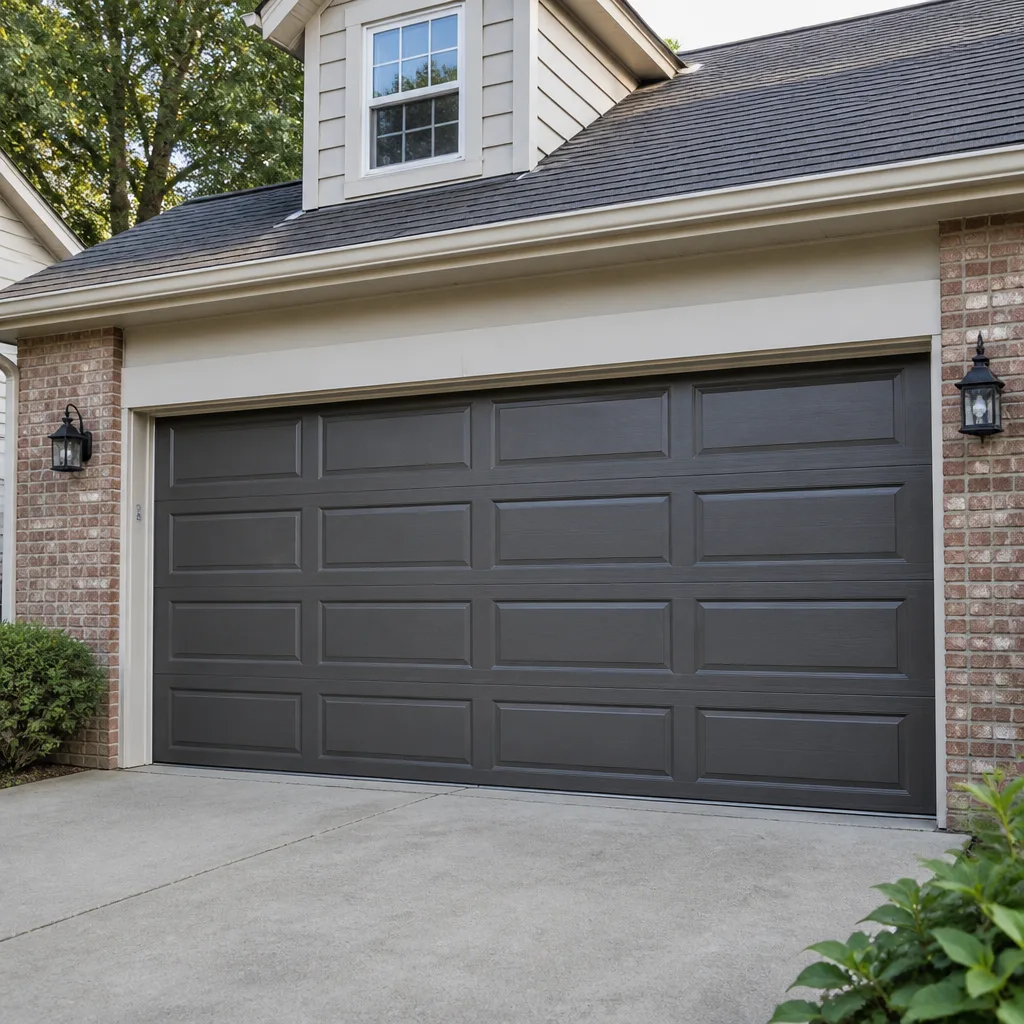 Raised-panel steel
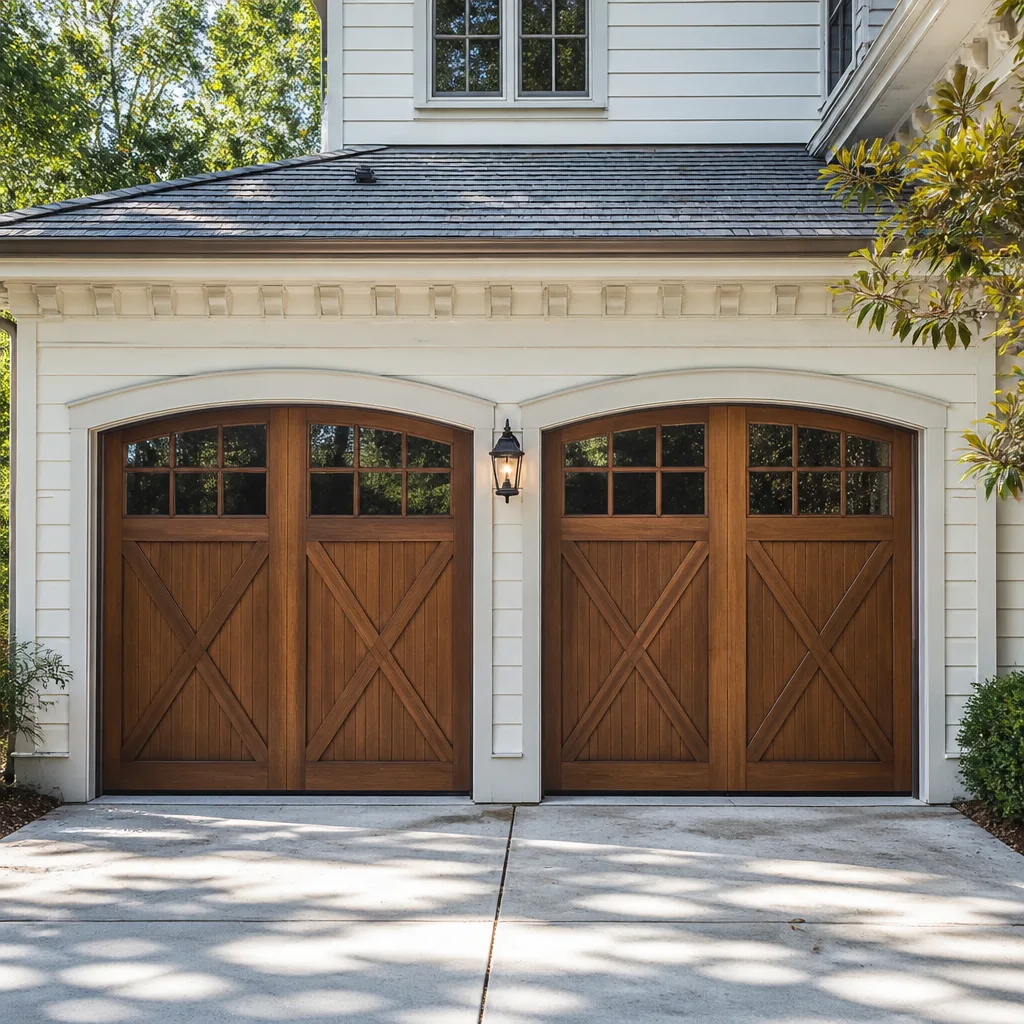 Carriage house
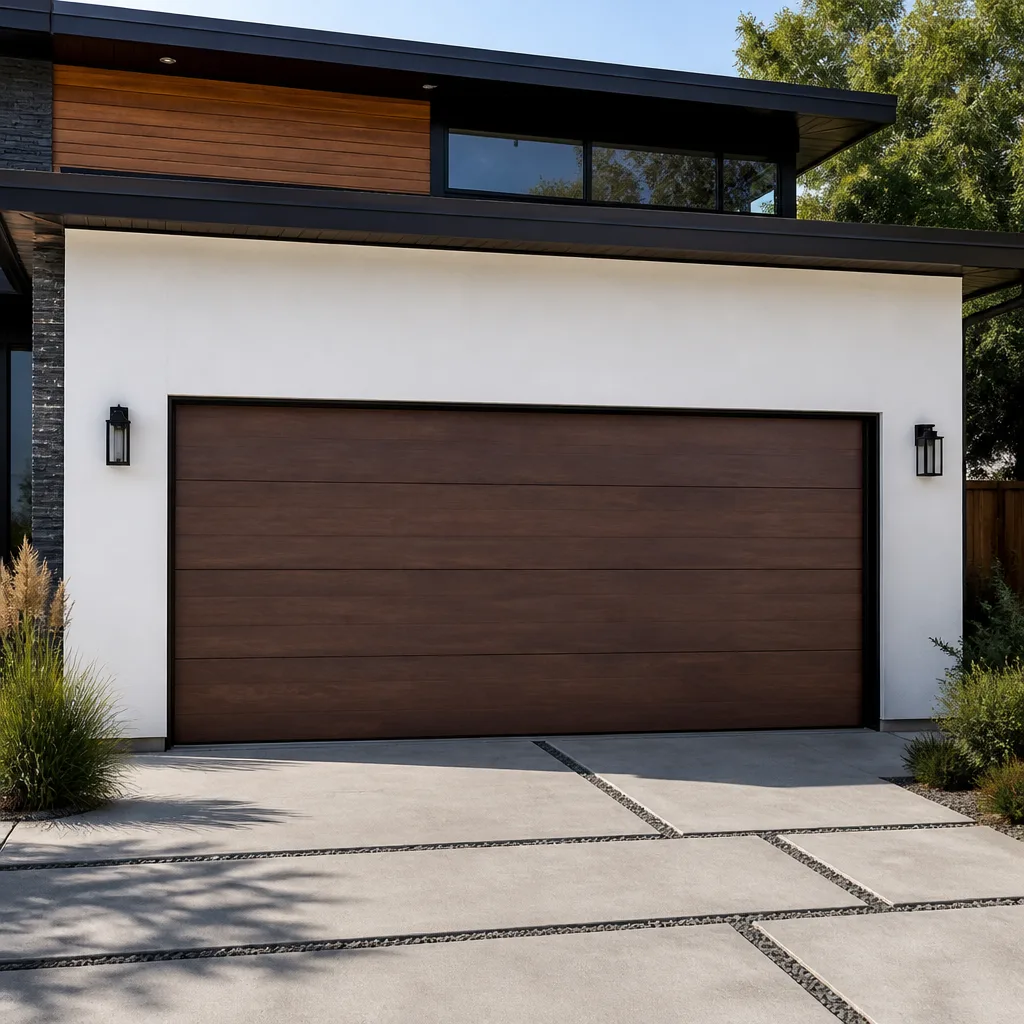 Modern flush
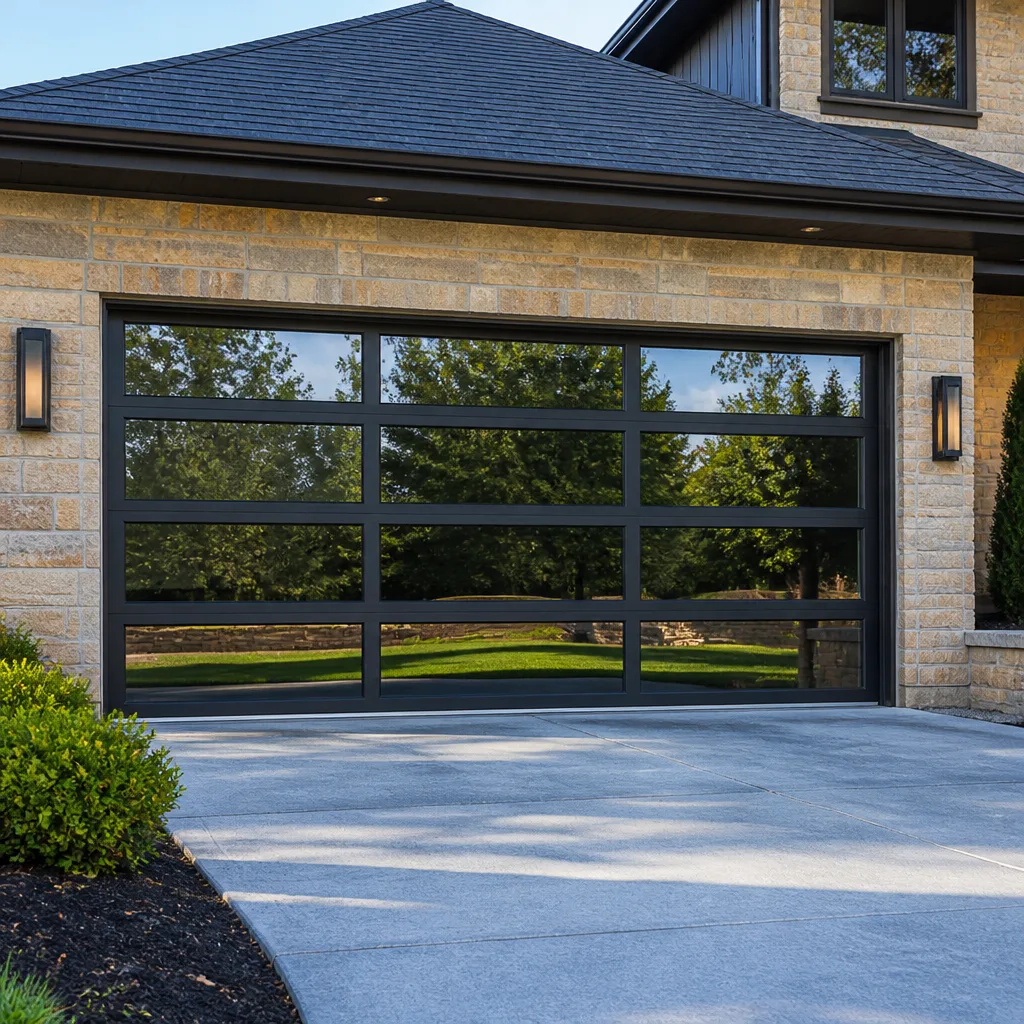 Full-view glass
 LiftMaster openers
 Chamberlain openers
Full 25-point door and opener safety check with every visit - springs, cables, rollers, tracks, and your LiftMaster or Chamberlain opener included
You get a price before we start. It does not change when the pro arrives.
Get your free estimateSeasonal Garage Door Care for Richmond: Year-Round Homeowner’s Guide
Richmond doesn’t get the brutal winters of northern Virginia or the sustained Gulf heat of the Carolinas. It gets a measure of both in a single year, and that combination is what makes garage door care here different from the advice you’ll find in a generic seasonal checklist. A door that sees a humid July, a hard January freeze, and a pollen-heavy April is being asked to handle three different kinds of stress before summer comes around again. This guide maps each Richmond season to the failure modes it actually causes, so you know what to check and when. Our technicians have up to 13 years of experience watching how Mid-Atlantic weather wears on doors, and we’ll pass along what actually matters.
Quick Answer
In Richmond, the highest-value garage door maintenance happens in fall, before the first freeze, and in spring, after pollen season peaks. Summer humidity drives wood swelling and accelerates rust on uncoated spring hardware, while winter cold thickens lubricants and stiffens weatherseals. A simple four-season routine – checking hardware in fall, managing moisture in summer, cleaning tracks in spring, and lubricating before winter – prevents most of the wear we see across the region.
Styles & brands we work with
- Raised-panel steel
- Carriage house
- Modern flush
- Full-view glass
- LiftMaster openers
- Chamberlain openers
Table of Contents
- Why Richmond’s Climate Is Harder on Garage Doors Than It Looks
- Summer: Humidity, Swelling, and Hidden Rust
- Fall: Richmond’s Most Important Maintenance Window
- Winter: Cold, Thick Lubricant, and Stiff Seals
- Spring: Pollen, Moisture, and Freeze-Thaw Damage
- Building a Maintenance Calendar Around Richmond’s Freeze Dates
- What Brand You Have Matters (and Doesn’t)
- What a Professional Seasonal Inspection Covers
Why Richmond’s Climate Is Harder on Garage Doors Than It Looks
Most seasonal garage door guides are written for one climate and applied everywhere. That approach misses what makes Richmond unusual. The city sits in a transition zone where humid subtropical summers meet regular winter freezes, so a single door system experiences the stress cycles of two different regions within twelve months. The materials don’t get a break in between.
Here’s what that means in practice. Wood and composite door panels absorb moisture in summer and release it in winter, and each expansion-contraction cycle loosens joints and stresses the finish. Steel hardware, especially the torsion spring system, sees accelerated surface rust when a garage stays humid and unventilated for months. And the freeze-thaw cycle in late winter is what quietly damages weatherseals and track alignment. None of these failures are dramatic. They compound.
Richmond neighborhoods vary in how much of this they see. Older homes in the Fan District and Church Hill often have detached garages with wood doors and limited ventilation, which makes summer swelling a real concern. Newer construction in Short Pump and the West End tends to use steel or composite doors with insulated garages, so moisture issues shift toward hardware and seals. In our experience, the failure pattern you’ll see depends as much on your garage’s construction as on the calendar.
What all Richmond doors share is the need for inspection timed to the actual seasonal transitions, not to a generic “spring cleaning” schedule. The rest of this guide walks through each season with that in mind.
Summer: Humidity, Swelling, and Hidden Rust
Richmond summers are humid enough that an unventilated garage can stay damp for weeks. That’s the season’s real threat to your door, and it works on two fronts at once. Wood and composite panels take on moisture and swell, while steel hardware in the same space starts to corrode.
On the wood side, watch for panels that stick in the frame, doors that bind partway up, and joints that look slightly wider than they did in spring. A wood door that swells in July will often shrink back in October, so the binding isn’t permanent. But the swelling itself stresses hinges and rollers, and if the door is being forced through the bind every day, that wear adds up. Keeping the garage ventilated on dry days and making sure the door’s bottom seal isn’t trapping moisture against the floor goes a long way.
The spring hardware is a separate issue. Torsion springs and the cables that run with them are under constant tension, and any surface rust that forms in humid months is the start of a problem you’ll deal with later. Coated or galvanized hardware resists this better than bare steel, but any spring system benefits from a light, purpose-made garage door lubricant applied to the coils in late summer. Do not use WD-40 or general household oil on springs; they attract dust and don’t last.
What to check through summer:
- Whether wood or composite panels stick or bind in the frame
- Visible rust on torsion springs, cables, and hinges
- Garage ventilation – does the space dry out between humid spells?
- Weatherstripping along the bottom seal, which can trap moisture
- Roller wear – nylon rollers handle humidity better than steel
If the door has started to bind noticeably or the springs show heavy rust, that’s worth a professional look before fall. You can read more about what a full service visit covers on our garage door repair page.
Fall: Richmond’s Most Important Maintenance Window
If you do one round of garage door maintenance a year in Richmond, do it in fall. The window between the end of summer humidity and the first hard freeze is when you can address everything summer loosened and prepare the door for the cold. Miss it, and winter is when small problems become failures.
The first freeze in Richmond typically arrives sometime in November, though the exact date varies year to year. That gives you a rough target: complete the fall checklist before the first hard frost, ideally by late October. Everything on the list below is about making sure the door is balanced, lubricated, and sealed before cold weather tests it.
- Test the door balance. Disconnect the opener (pull the release cord) and lift the door halfway. It should stay put. If it drifts up or down, the spring tension needs adjustment – a job for a trained technician, not a homeowner.
- Lubricate the moving parts. Apply garage-door lubricant to hinges, rollers, and the torsion spring coils. This is the single most important winter-prep step because cold thickens whatever is already on the hardware.
- Inspect the weatherseal. Look along the bottom seal and the side and top trim for cracks, gaps, or sections pulling away. Cold makes old seals brittle; replacing them before winter prevents drafts and water intrusion.
- Tighten hardware. Check bolts on hinges, brackets, and track supports. The expansion-contraction cycle of a Richmond summer loosens fasteners, and a loose bracket under winter load can bend a track.
- Clean and align the tracks. Wipe down tracks with a damp cloth and check that the door runs smoothly without wobble. Don’t lubricate the tracks themselves – they’re meant to run dry.
- Test the safety reverse. Place a small block of wood under the door and close it. The door should reverse on contact. If it doesn’t, the opener needs adjustment or service.
If you’re not comfortable with the balance test or the safety reverse check, a professional fall inspection covers all of it. Our garage door opener repair page explains what’s involved on the opener side specifically.
Winter: Cold, Thick Lubricant, and Stiff Seals
Richmond winters aren’t northern Virginia winters, but they regularly dip into the teens and low twenties, and that’s cold enough to change how a garage door behaves. The two most common winter complaints we hear are a door that runs sluggishly and an opener that strains more than it did in October. Both usually trace back to lubricant that’s thickened or seals that have stiffened.
Here’s what actually happens. Most garage door lubricants are formulated to stay effective across a wide temperature range, but not all of them do. A general household oil or a cheap spray lubricant can turn gummy as temperatures drop, which increases friction on rollers and hinges and forces the opener to work harder. A dedicated garage door lubricant – typically a lithium- or silicone-based product labeled for cold-weather use – stays fluid well below Richmond’s realistic lows. If you’re not sure what’s on your hardware, wiping it down and reapplying a proper cold-rated lubricant in late fall is worth the effort.
Weatherseals are the other winter issue. Rubber and vinyl seals stiffen in cold, and a stiff seal doesn’t conform to the floor the way it should. That creates gaps along the bottom of the door, which lets in cold air and, more importantly, lets in moisture that can freeze overnight. On mornings after a hard freeze, a stiff seal can also make the door harder to open as it peels away from the floor.
What to watch for in winter:
- Sluggish door movement, especially on the first open of the day
- Opener straining or making new noises during cold spells
- Visible gaps along the bottom seal, or a seal that looks flattened
- Frost or condensation on the inside of the door panels
- Ice forming at the base of the door where it meets the floor
When the temperature drops, the door’s mechanical load rises. That’s also when springs that were already weak give out. If you hear a loud snap and the door won’t lift, that’s a broken spring – see our guide to garage door spring repair for what happens next.
Spring: Pollen, Moisture, and Freeze-Thaw Damage
Richmond’s spring is beautiful and rough on garage doors in equal measure. Pollen coats everything, including the tracks and rollers, and the freeze-thaw cycle of late winter and early spring quietly damages the seals and weatherstripping that held up through winter. This is the season to clean, inspect, and repair.
Pollen is more than a cosmetic nuisance. In a track system, pollen mixes with whatever lubricant or dust is already there and forms a gritty paste that accelerates roller wear. Steel rollers in particular don’t like it. If you run your finger along the inside of a track in April and it comes away dirty, the tracks need a wipe-down. Don’t lubricate the tracks afterward – just clean them and check that the rollers turn freely.
The free-thaw issue is subtler. Water that gets behind weatherseal adhesive during the day can freeze overnight, and repeated cycles loosen the bond. A seal that looked fine in December may be peeling at one corner by March. Check the bottom seal, side trim, and top seal for any sections that have started to separate. Replacing weatherseal is inexpensive and one of the easiest preventive fixes on a garage door.
Spring is also when wood doors that swelled in summer finish drying out. If the door was binding in the fall and now runs freely, that’s expected. But it also means the swelling-and-shrinking cycle has probably loosened some hardware, so a quick check of hinges and brackets is worth doing.
Spring checklist:
- Wipe down tracks and rollers to remove pollen buildup
- Check all weatherseals for peeling or separation
- Inspect hardware for looseness from winter expansion-contraction
- Test the safety reverse again after winter
- Look at the opener’s moving parts for pollen or dust accumulation
If the door has been sticking or making noise since winter, spring is the right time to fix it before summer heat adds humidity to the mix.
Building a Maintenance Calendar Around Richmond’s Freeze Dates
Generic seasonal guides say “winterize in fall and clean in spring.” That’s fine as far as it goes, but a maintenance calendar that’s actually useful for Richmond is built around the first and last freeze, not the calendar quarter. Working backward from those two dates gives you a schedule that prepares the door for what’s coming rather than reacting after the fact.
Richmond’s first freeze typically falls in November and the last freeze typically falls in late March or early April, though both vary. Here’s how to build a calendar around that:
- Late August – pre-fall lubrication. Apply cold-rated lubricant to springs, hinges, and rollers. Address any rust you’ve found from summer humidity.
- Early October – fall inspection. Balance test, hardware tightening, track cleaning, weatherseal inspection. This is your last easy window before cold.
- Late October to early November – pre-freeze seal check. Replace any weatherseal that looks worn. A seal that’s in good shape in October will hold through winter.
- Mid-winter – visual check after each hard freeze. Quick look at the bottom seal and door base for ice buildup or gaps.
- Late March – post-freeze inspection. Weatherseal adhesive check, hardware tightening, safety reverse test.
- Late April to early May – pollen cleanup. Wipe tracks and rollers. Clean and relubricate moving parts.
- Mid-summer – moisture check. Ventilation, wood swelling, and hardware rust.
That’s seven touchpoints across the year, most of them quick. The two that need real attention are the fall inspection and the pre-freeze seal check. If you only do two things, do those.
What Brand You Have Matters (and Doesn’t)
Richmond garages contain a wide mix of equipment. You’ll find older homes with decades-old Craftsman openers still running, newer builds with LiftMaster and Chamberlain systems tied into smart-home setups, and doors from Clopay, Amarr, Wayne Dalton, and Raynor. The brand affects how a system is serviced and where the failure points tend to be, but it doesn’t change the seasonal care needs in any meaningful way.
What brand awareness does change is what a technician can diagnose. A Craftsman opener from the 1990s and a current LiftMaster with Wi-Fi have different logic boards, different sensors, and different failure patterns. A specialist who works on all of them knows what to look for before opening the housing. Our garage door installation page is a good example – installations for Clopay and Amarr doors look similar on the surface, but the track brackets, panel weights, and spring requirements differ.
For the homeowner, the practical takeaway is this: seasonal maintenance on any brand follows the same four-season rhythm we’ve described. If you have a smart opener, add one thing – check the app’s log for any “door obstruction” or “force limit” warnings that accumulated over the season. Those flags often show up weeks before a mechanical problem becomes obvious.
What a Professional Seasonal Inspection Covers
A professional inspection goes beyond what you can check on your own, mostly because some of the most safety-critical components can’t be safely tested by a homeowner. The torsion spring system, for example, is under enough tension that a proper balance check and tension adjustment should only be done by a trained technician. Same with opener force-limit calibration and any work on the door’s cable system.
What a good inspection typically includes:
- Full balance test and spring tension check
- Cable and drum inspection for fraying or wear
- Roller, hinge, and track condition
- Opener force-limit and safety reverse calibration
- Weatherseal and bottom seal inspection
- Hardware tightening and lubrication with cold-rated products
- Panel and frame condition (wood swelling, cracks, rust on steel)
How often you need one depends on your door’s age and material. A newer steel door in an insulated garage may only need a professional inspection every couple of years. An older wood door in a detached garage, or any door that’s started to run roughly, benefits from an annual check timed to fall.
The reason fall is the right season for a professional visit isn’t arbitrary. It’s the window when problems from summer can still be fixed before winter cold adds load. If a technician finds a weakening spring in October, you have time. If they find it in January after it snaps, you’re dealing with a broken door in the cold. That’s the difference a seasonal schedule makes.
Common Mistakes to Avoid
- Using WD-40 on springs or rollers. It’s a solvent, not a lubricant, and it attracts dust that turns into grit. Use a purpose-made garage door lubricant instead.
- Lubricating the tracks. Tracks are meant to run dry. Lubricant on tracks collects pollen and dirt and causes rollers to slide instead of roll.
- Forcing a swollen wood door. In a humid Richmond summer, a door that binds slightly is often just swollen. Forcing it stretches the opener and wears the hinges. Wait for cooler weather or fix the underlying issue.
- Skipping the fall balance test. A door that’s out of balance puts extra load on the opener all winter. The balance test takes two minutes and catches a weakening spring before it fails.
- Ignoring weatherseal peeling in spring. Freeze-thaw damage to seals is the most common spring repair we see. Small peeling in March becomes a full replacement by the next winter if ignored.
- Assuming a “winterizing” checklist covers it. Most generic winterizing lists are written for northern climates and skip the summer moisture issue, which is the biggest Richmond-specific concern.
- Adjusting spring tension yourself. This is the one on the list with real safety stakes. Torsion springs are under high tension and can cause serious injury. Leave tension adjustment to a trained technician.
See the difference
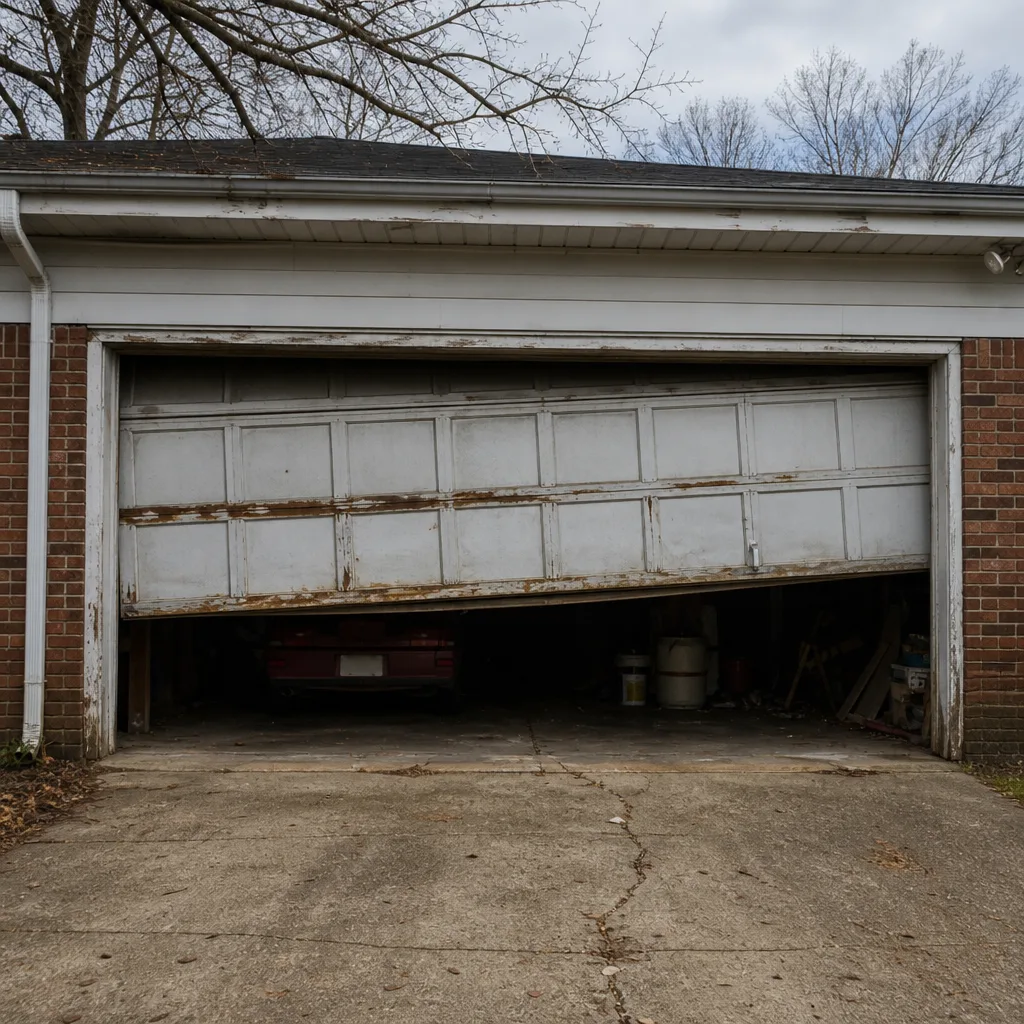 Before
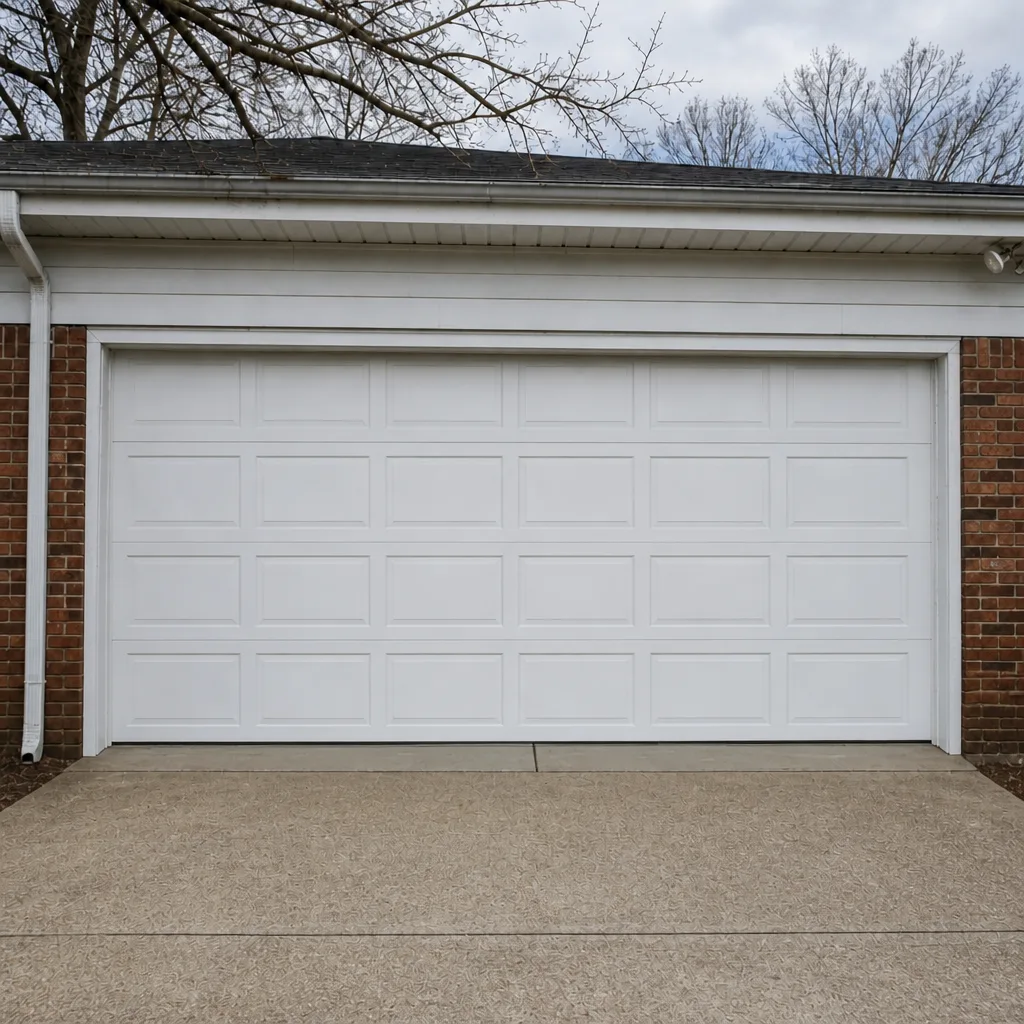 After
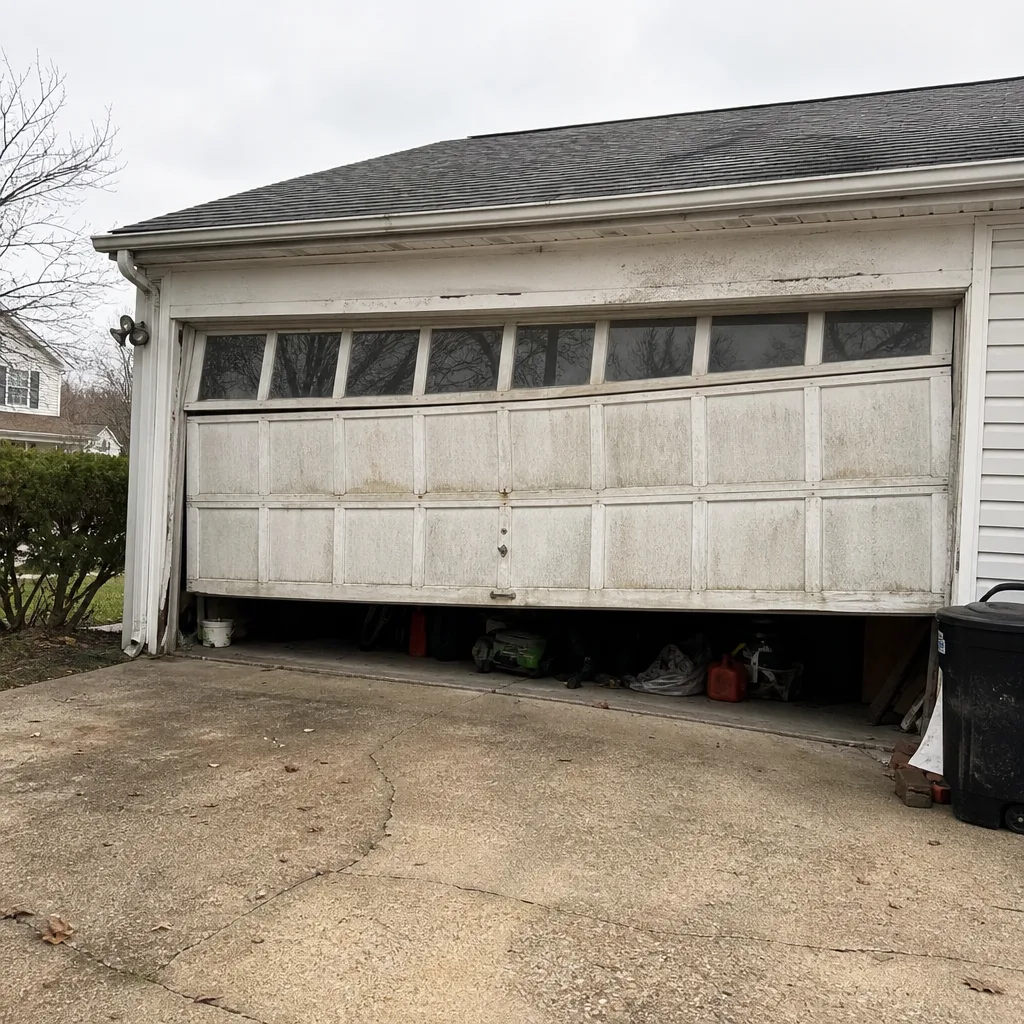 Before
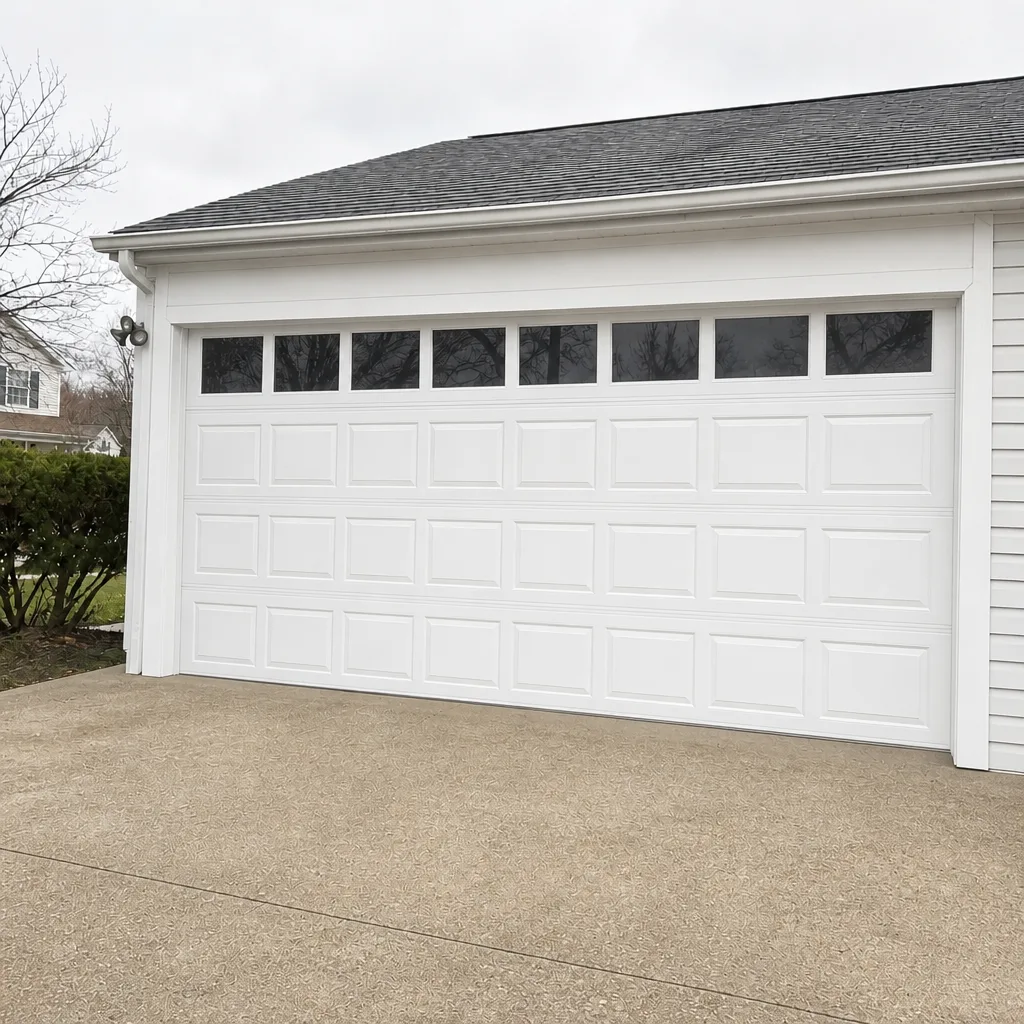 After
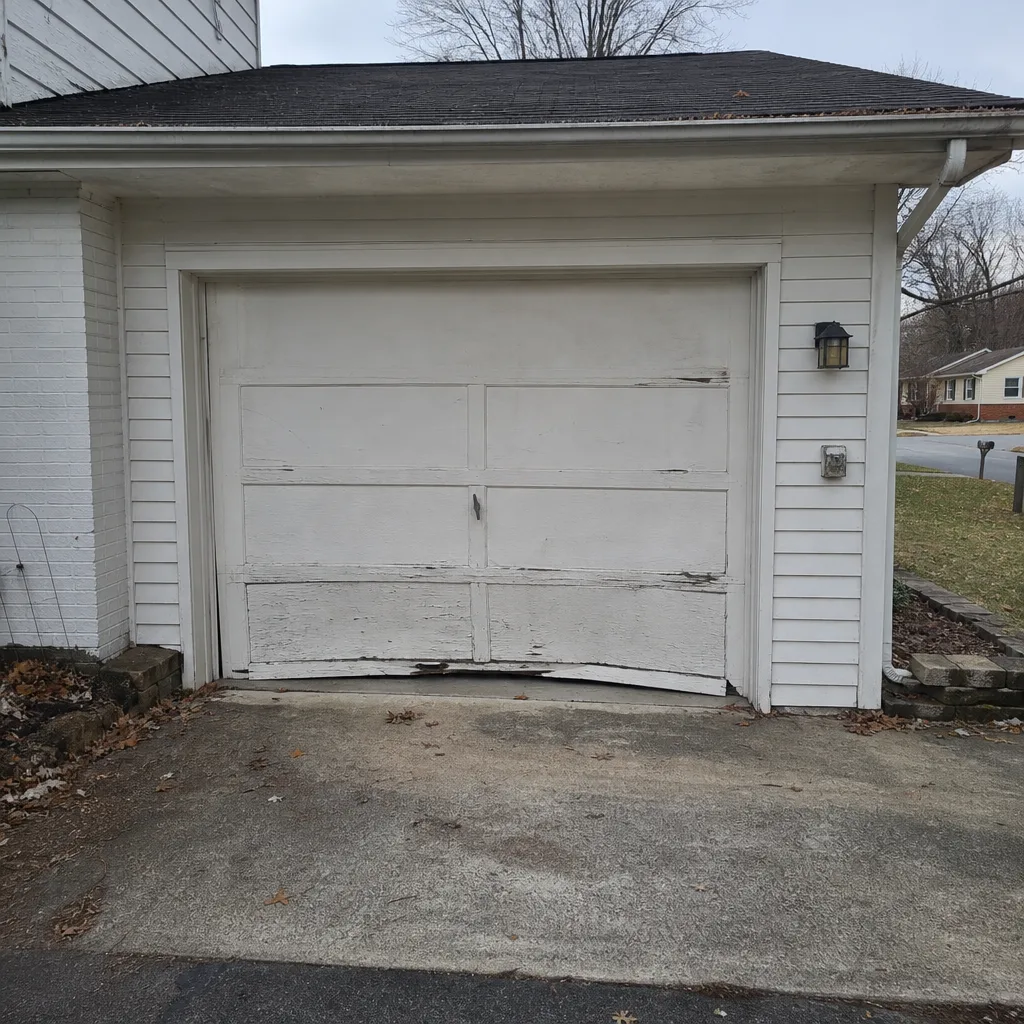 Before
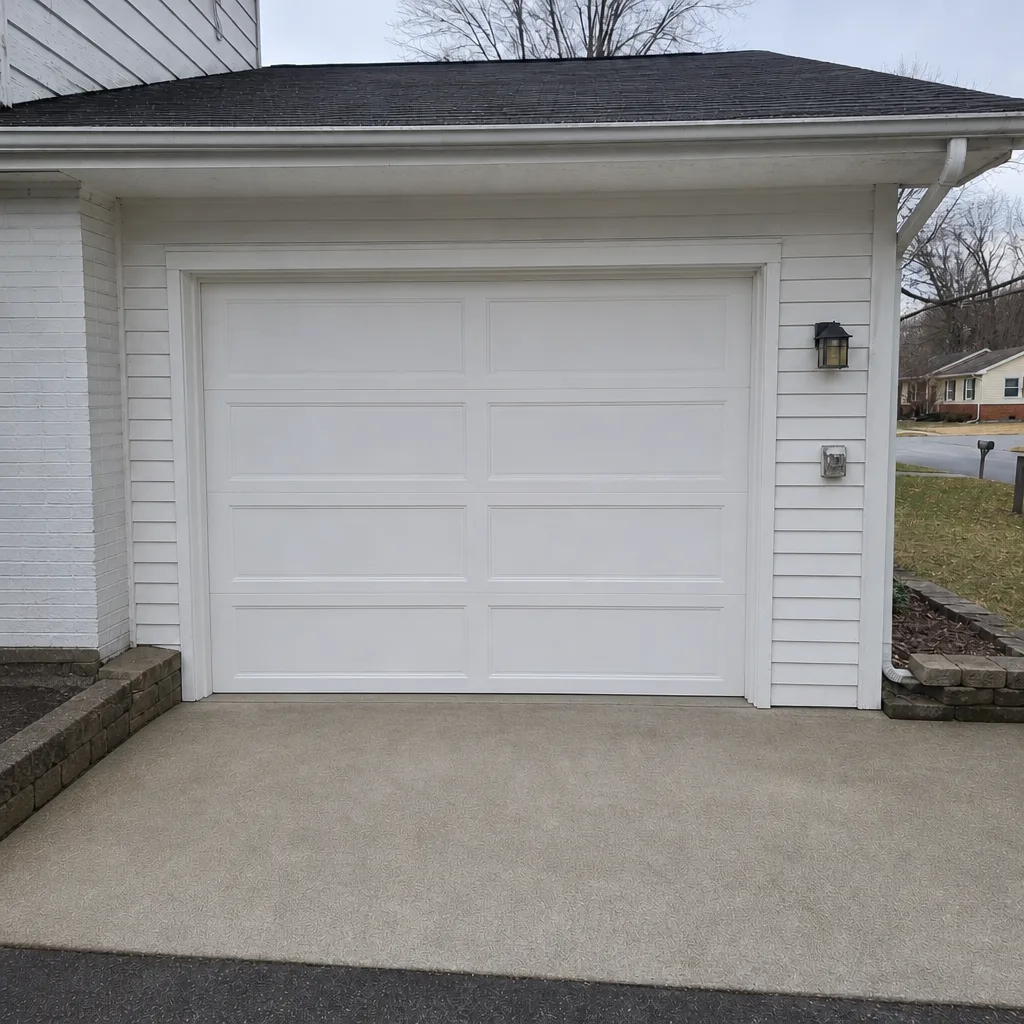 After
When to Call a Professional
Some seasonal maintenance is homeowner work. Spring tension adjustment, cable repair, and opener calibration are not – they’re safety-critical and require proper tools and training. Call a professional if the door is out of balance, if you see fraying cables, if the opener strains or reverses unexpectedly, if weatherseal replacement involves any part of the seal frame, or if you hear a snap and the door won’t lift. Broken springs are the most common emergency call we get, and spring failures don’t wait for convenient timing. Richmond Garage Door Repair Co offers free estimates in Richmond – call (833) 508-9230. Our technicians have up to 13 years of experience with spring systems, openers, and doors across all major brands, and we can tell you what your door needs before the next season arrives.
Frequently Asked Questions
Once a year is usually enough, timed to fall before the first freeze. Older wood doors or doors that see heavy daily use benefit from a second spring check. The fall visit covers what matters most: balance, spring condition, weatherseal, and hardware.
Lubricating the moving parts with cold-rated garage door lubricant in late fall. That single step prevents most of the friction-related wear that shows up as sluggish winter operation and premature opener strain. The balance test is the second most important.
It can cause swelling that makes the door bind in the frame, which stresses hinges and rollers. The swelling usually reverses when cooler weather returns, but the wear from forcing the door doesn’t. Keep the garage ventilated on dry days and check the door for binding.
For repair calls, same-day service is often possible. Installation and replacement work is measured and scheduled, so it’s not a same-day job. When you call, we’ll tell you which category your situation falls into and get you the earliest available time.
No. Seasonal care follows the same four-season rhythm regardless of brand. What changes is how a technician services the specific system – a Craftsman opener and a LiftMaster opener have different internals – but the homeowner’s checklist is the same.
Replace it before the next freeze. Peeling seal adhesive is one of the most common spring findings in Richmond, and a loose seal lets in moisture that refreezes in the gap. Replacing the seal now costs far less than dealing with the water damage later.
No. We quote the job and you agree to the price before any work starts. If we find something that changes the scope, we’ll tell you before proceeding – not after.
The Bottom Line
Richmond’s four seasons create four distinct stress cycles, and each one needs a slightly different response. Summer is about moisture – wood swelling and hardware rust. Fall is the most important maintenance window, timed before the first freeze. Winter tests lubricants and seals. Spring is cleanup and freeze-thaw repairs. Build your calendar around the first and last freeze dates, not the calendar quarter, and you’ll stay ahead of the failures that generic guides miss. If you want a professional set of eyes on the door before the next season arrives, our team works on the brand already in your garage. Richmond Garage Door Repair Co handles the full seasonal checklist and can quote you clearly on anything that needs attention. Call (833) 508-9230 for a free estimate – estimates are free and the written quote is the price you’ll pay.
Written by the team at Richmond Garage Door Repair Co.