Last updated November 21, 2026
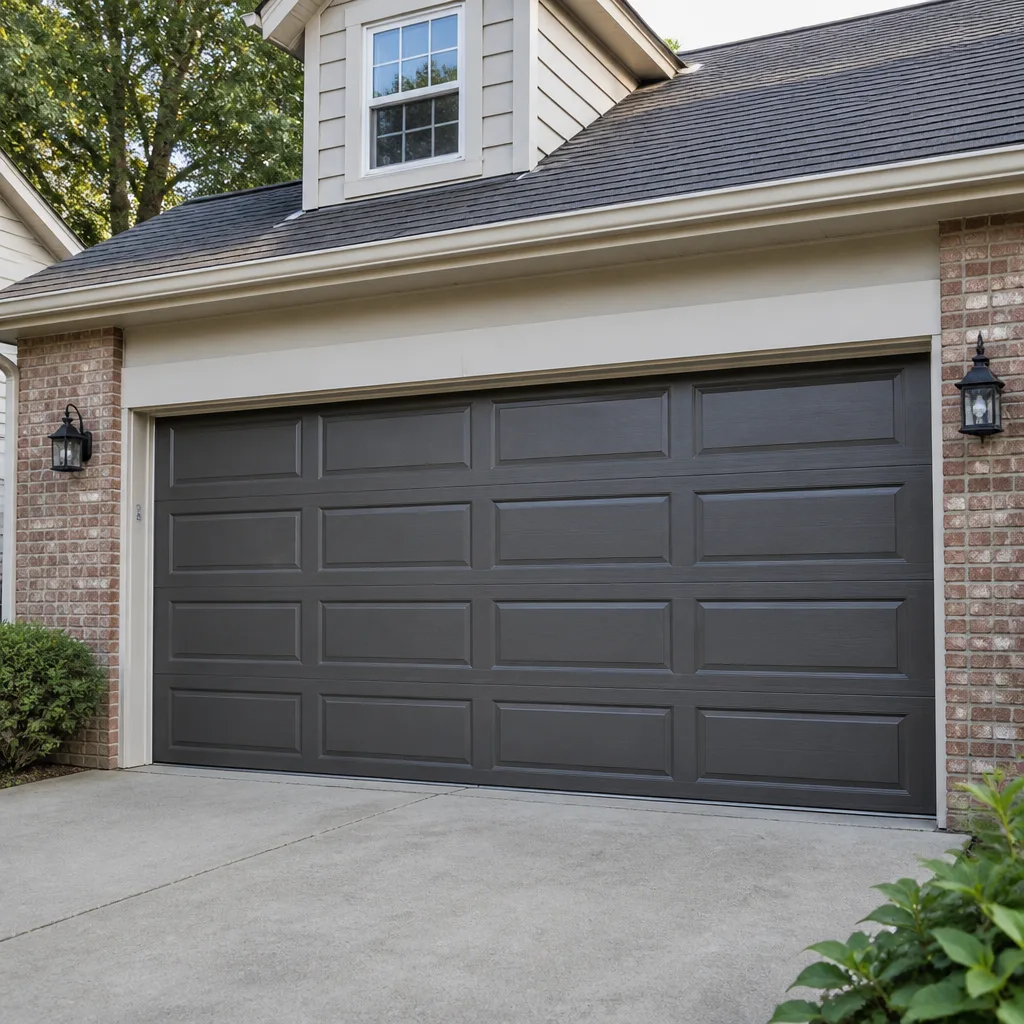 Raised-panel steel
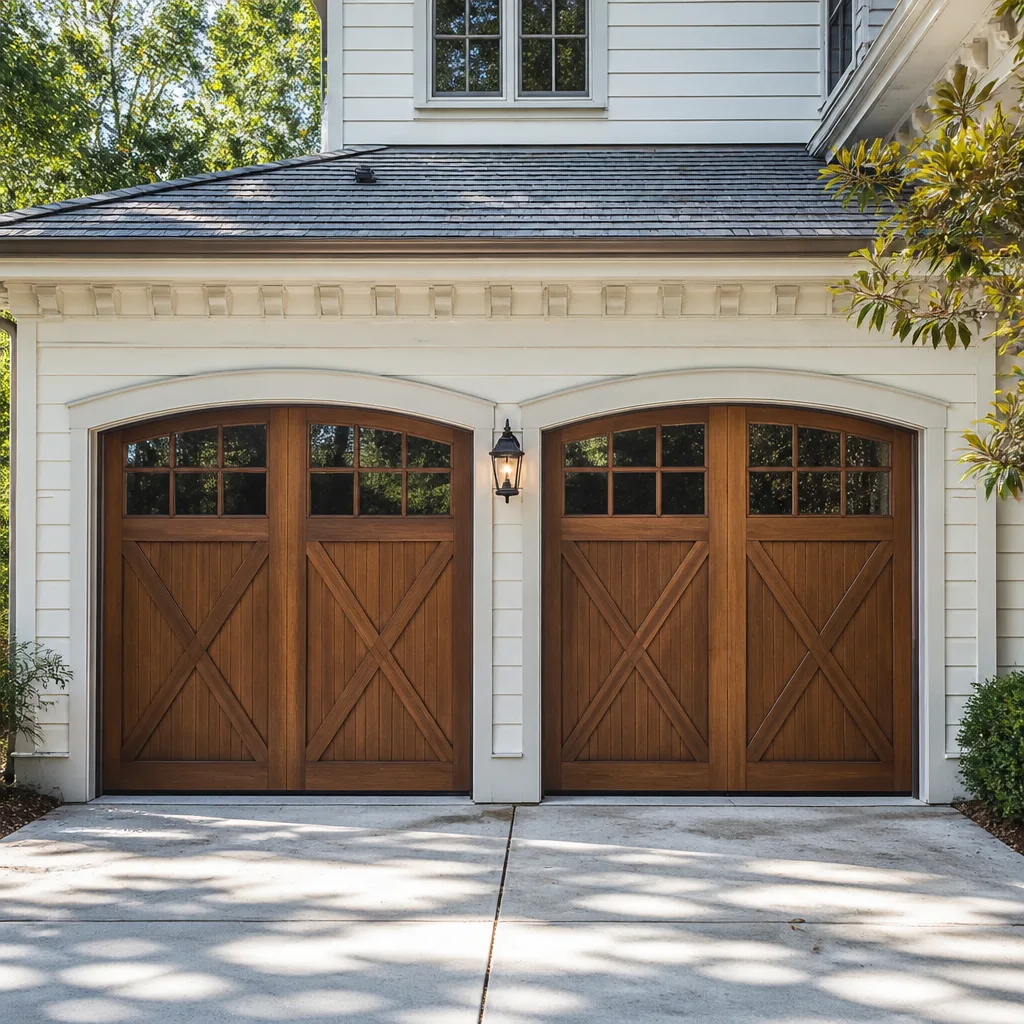 Carriage house
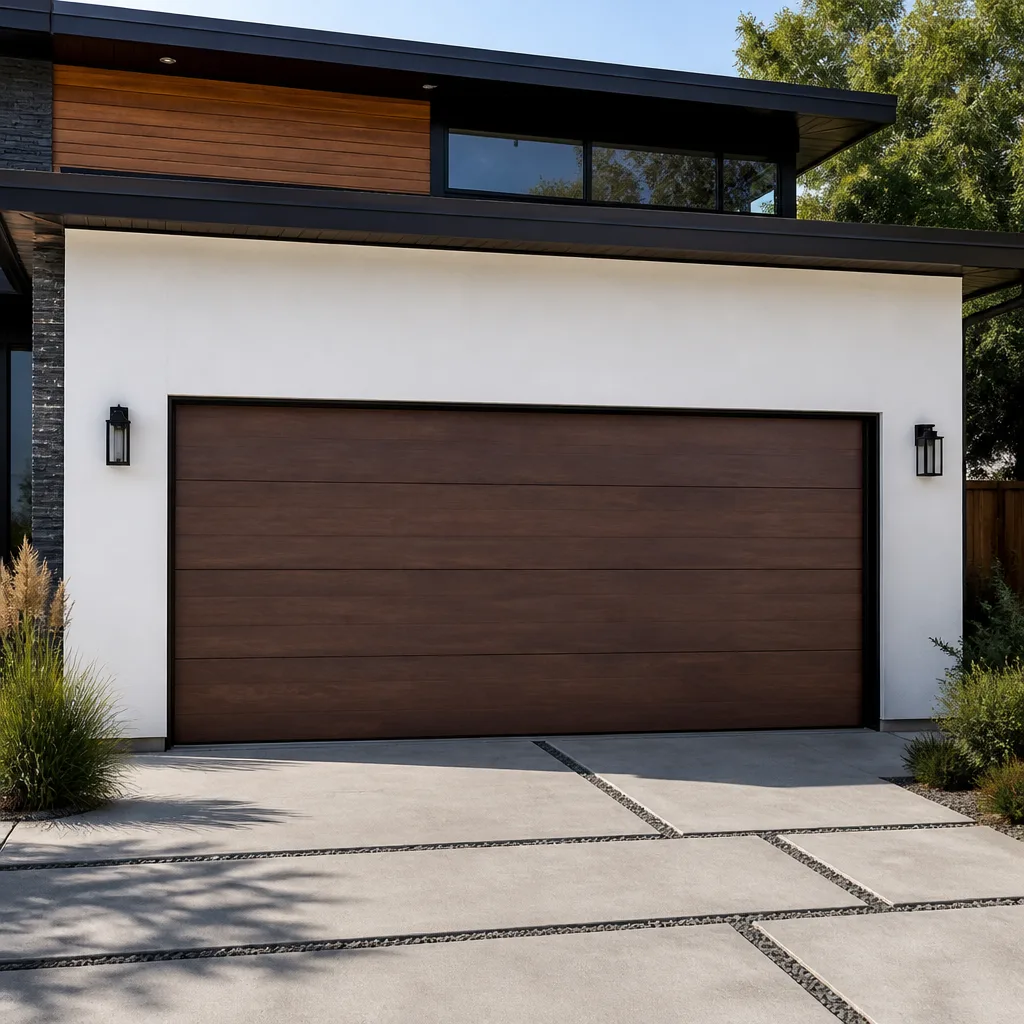 Modern flush
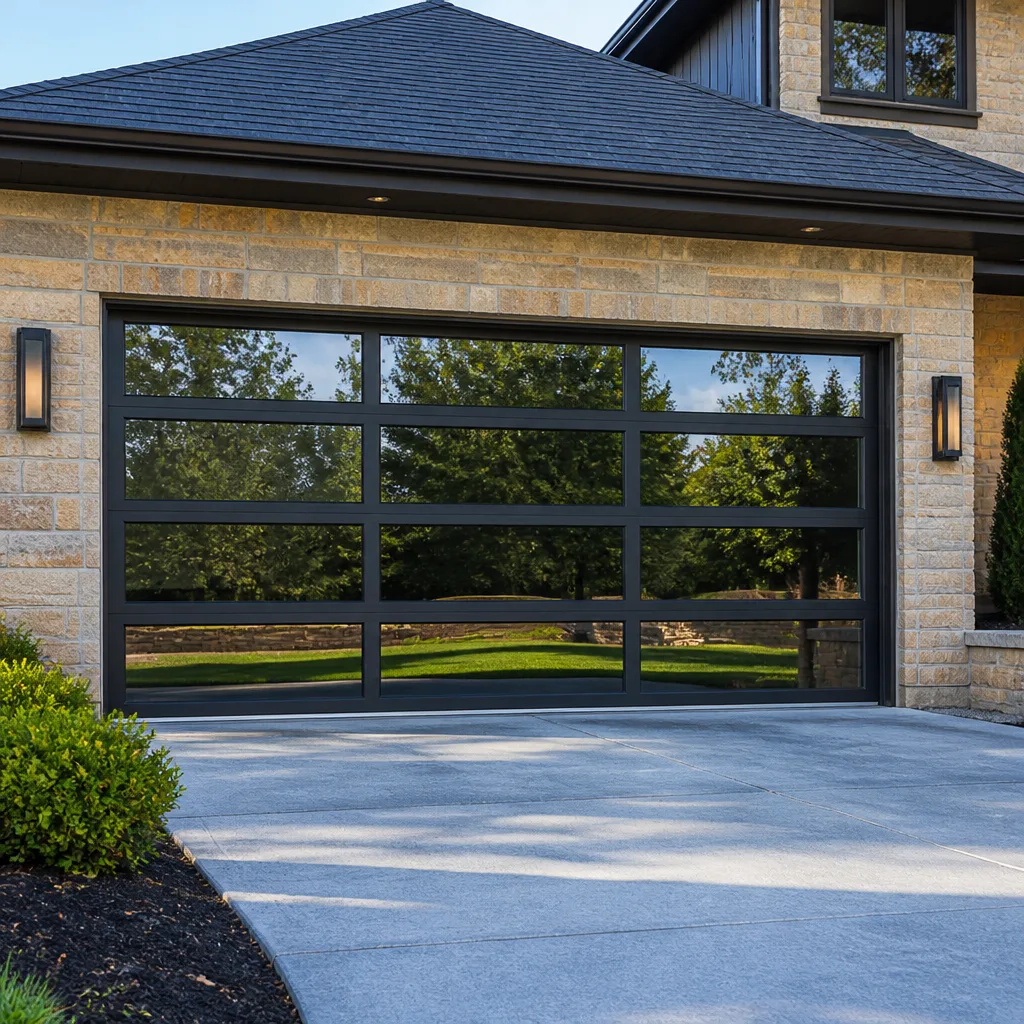 Full-view glass
 LiftMaster openers
 Chamberlain openers
Full 25-point door and opener safety check with every visit - springs, cables, rollers, tracks, and your LiftMaster or Chamberlain opener included
You get a price before we start. It does not change when the pro arrives.
Get your free estimateGarage Door Permits, Codes & Inspections in Richmond, VA: What You Need to Know
Most people treat a garage door replacement like swapping a light fixture: measure, order, install, done. Here’s the part that catches Richmond homeowners off guard – whether you need a permit doesn’t depend on the door at all. It depends on the opening. If a project changes the size, weight, or framing of the opening itself, you’re now in structural permit territory, and a closed sale or a denied insurance claim can follow years later. This guide walks through where that line actually sits in Richmond City, Chesterfield County, and Henrico County, how the Virginia Uniform Statewide Building Code treats repairs versus replacements, what inspectors look for, and how to keep your paperwork clean.
Quick Answer
In Richmond, VA, a like-for-like garage door replacement – same size, same header, same door weight – generally does not require a building permit, but widening the opening, changing the door weight class, or modifying the structural header usually does, and the threshold can differ between Richmond City, Chesterfield County, and Henrico County. Repairs to springs, cables, and openers almost never need a permit. When in doubt, call the jurisdiction’s building department before you order the door.
Styles & brands we work with
- Raised-panel steel
- Carriage house
- Modern flush
- Full-view glass
- LiftMaster openers
- Chamberlain openers
Table of Contents
- Understanding Virginia’s building code for garage doors
- Permit requirements by jurisdiction: Richmond City, Chesterfield, Henrico
- What triggers structural review
- How the Uniform Statewide Building Code applies to replacement vs. repair
- What inspectors actually check
- What permits and inspections typically cost in Richmond
- Unpermitted work, insurance, and disclosure in Virginia
- A step-by-step permit process for a Richmond garage door project
Understanding Virginia’s Building Code for Garage Doors
Virginia is a statewide code state, which surprises people who assume each county writes its own rules from scratch. The Virginia Uniform Statewide Building Code (USBC) is adopted at the state level and then administered locally. That means the underlying technical requirements for how a garage door opening must be constructed, sealed, and anchored are the same in Richmond as they are in Chesterfield or Henrico. What changes is how each jurisdiction interprets enforcement – specifically, which projects they require you to pull a permit for before work starts.
The USBC regulates the built structure: headers, framing, wind resistance, fire separation between a garage and a living space, and the weather seal at the opening. It does not regulate the door manufacturer’s installation manual or the opener’s safety features. Those come from the manufacturer and from federal safety standards. So a code inspection mostly looks at the opening and the anchoring, not the spring tension or how smoothly the door runs.
A few practical takeaways:
- Repairs generally fall outside permit scope. Replacing springs, cables, rollers, hinges, or an opener is maintenance of an existing system, not construction of the envelope.
- Replacements fall in a gray zone. A like-for-like swap of the same size door into the same opening is usually treated as a non-structural replacement. Change the dimensions and it becomes a different conversation.
- Structural changes are the trigger. Anything that affects the header, the framing, or how the load transfers around the opening is what code officials care about.
If you’re weighing a repair against a full replacement and want plain talk about which makes sense for your door, our team handles both, and we’re happy to explain the difference. You can read more about the tradeoffs on our garage door repair page.
Permit Requirements by Jurisdiction: Richmond City, Chesterfield, and Henrico
The three main jurisdictions in the Richmond metro each handle garage door permits a little differently, and the differences matter most when a project touches the opening structure. The safest rule is to call the jurisdiction that issues your address’s building permits before you sign a contract, but here’s a general map of how the conversations usually go.
Richmond City
Within Richmond City limits, straightforward garage door replacements in single- and two-family homes are typically handled as non-structural swaps and don’t trigger a building permit. The city’s building department is generally more concerned with changes to the opening itself. If the door size changes, if the header is being modified, or if the framing around the opening is being reworked, expect the city to treat the work as structural and require a permit. Older homes in areas like the Fan, Church Hill, or Carytown often have non-standard opening sizes, which is exactly where the permit question comes up.
Chesterfield County
Chesterfield enforces the USBC through its own permitting office, and the practical threshold is similar: like-for-like replacement, no permit; changes to the opening footprint or header, permit required. Chesterfield sees a lot of tract-built homes from the 1980s through the 2000s in areas like Midlothian and Chester, and those typically use standard door sizes. That’s actually helpful – standard sizes make like-for-like swaps cleaner on paper. The moment you go from a standard size to a wider one, you’re likely in permit territory.
Henrico County
Henrico runs its own permitting and inspection process, and again the split follows the same logic. A same-size replacement generally doesn’t require a building permit; a structural change to the opening does. Henrico also covers a mix of older homes in the West End and newer construction in the eastern parts of the county, so the same door replacement project can land on very different permitting paths depending on the address.
The takeaway
For all three jurisdictions, the deciding question isn’t the door – it’s whether the opening is being structurally altered. If you’re unsure, call the building department with your address and a description of the work. Most offices can tell you within a short phone call whether a permit is required, and that answer is what your contractor should be given in writing before ordering hardware.
What Triggers Structural Review
The moment a garage door project moves from a simple swap to a construction project is the moment it changes the opening itself. Three specific changes are what push a job into structural review, and each one has a different permit consequence.
- Widening the opening. Going from a single-car door to a double-car door, or moving the edges of the opening, requires cutting into the existing header and framing. This is the clearest permit trigger in all three jurisdictions. A structural engineer or licensed contractor usually needs to specify the new header, and the plan gets reviewed by the building department.
- Changing the door weight class. A very heavy custom wood door replacing a lightweight steel door can exceed what the existing header and framing were designed for. That doesn’t always mean a permit, but it does mean the header’s capacity needs to be verified. Some jurisdictions treat a substantial weight increase as a structural change because the load path is changing.
- Modifying the header itself. If the header is being replaced, reinforced, or altered in any way, that’s structural work and will require a permit and inspection. This is the case where an unpermitted job can create the biggest headache down the line, because the structural element is hidden behind drywall and trim once the door is installed.
Anything that only involves the door panels, tracks, springs, rollers, or the opener leaves the structure alone and generally doesn’t trigger review. If you want to know where your specific door sits on that spectrum, our garage door installation page lays out the standard sizing questions we ask before a project starts.
How the Uniform Statewide Building Code Applies to Replacement vs. Repair
Virginia’s statewide code draws a distinction that trips up a lot of homeowners: repairs versus construction. Repair work that restores an existing assembly to its original function doesn’t require a permit or an inspection. New construction, additions, and structural alterations do. Garage door work sits right on the seam between the two categories, and where it lands depends on which parts of the system you’re touching.
The practical split looks like this:
- Repairs (usually no permit): Replacing broken springs, snapped cables, damaged rollers, worn hinges, or fixing an opener that’s not working. You’re restoring the system, not changing the building.
- Like-for-like replacement (usually no permit): Swapping a failed door for one of the same size, same weight class, mounted into the same opening with the same hardware layout.
- Alterations (usually permit required): Changing dimensions, weight class, header configuration, or the anchor points in a way that changes the structural load path.
Because the code itself is adopted statewide, this general framework applies whether your home is in Richmond City, Chesterfield, or Henrico. But each locality’s building department is the authority that decides whether a specific project needs a permit. You get to that answer by calling the office that covers your address, not by reading a chart online – including this one. Treat this guide as a map of the questions to ask, not as a substitute for the answer the building department gives you.
One more note: a permit requirement isn’t a judgment on the contractor or the door. It’s a paperwork layer that protects the homeowner. A contractor who pushes back on pulling one when it’s required is a contractor worth pausing on.
What Inspectors Actually Check
A garage door installation inspection is shorter than most homeowners expect, and it focuses on the structure and the safety basics rather than the cosmetic finish. Here’s the general sequence an inspector follows.
- Permit and plans on site. The inspector will want to see the permit displayed and the approved plans or scope of work available. If the work got started without a permit but the jurisdiction requires one, that conversation is more involved than a normal inspection.
- Header and framing. The inspector verifies that any header modification matches what was approved, that framing hasn’t been cut or routed inappropriately, and that the opening dimensions match the plan.
- Anchoring and attachment. The door’s tracks, brackets, and spring system need to be anchored to structural members, not just to drywall or trim. This is the part inspectors take seriously because a poorly anchored door system can fail catastrophically.
- Weather seal and fire separation. The gap at the bottom of the door needs a functioning weather seal. Where the garage shares a wall or ceiling with living space, the separation between the garage and the house also falls under code.
- Openers and safety reverse. The opener’s safety reverse and photo-eye function are checked to confirm the door reverses properly when it meets an obstruction.
To prepare, clear the area in front of and around the door, make sure the permit is posted, and confirm that any manufacturer documentation the contractor is supposed to leave on site is present. Whether your system is a legacy Craftsman opener or a newer LiftMaster with Wi-Fi, the inspection cares about function and anchoring, not the brand.
What Permits and Inspections Typically Cost in Richmond
Permit fees for garage door work in the Richmond area usually run in the low hundreds of dollars when a permit is required at all, and the exact amount is set by the jurisdiction based on the project valuation or a flat residential fee schedule. The permit fee is the smallest line item in most structural projects – a door swap itself is much more. Here’s how those costs generally break down.
- Building permit (when required): typically a small flat fee or a percentage of project valuation, set by the issuing jurisdiction. Confirm the current fee with your building department.
- Structural plan review or engineering (widening the opening or modifying the header): often the largest added cost, since a licensed professional may need to provide the header specification.
- Like-for-like door replacement (no permit): no permit fee, standard installation cost only.
- Repairs (no permit): no permit fee, straight repair cost.
If you’re trying to ballpark the total job, our Richmond Garage Door Repair Co team can quote the door and installation side and tell you plainly whether we expect a permit to be required. The price we quote for the work is the price on the invoice; any permit fee is separate and set by the jurisdiction. And if what you actually need is opener work rather than a door, that’s a different scope entirely – see our garage door opener repair page. Prices for any of this are confirmed with a written estimate before we start.
Unpermitted Work, Insurance, and Disclosure in Virginia
Permits are papers until they aren’t. The two places unpermitted structural work tends to surface are insurance claims and real estate transactions, and by then the work is usually years old and the original contractor is long gone.
On the insurance side, a standard homeowner’s policy covers sudden damage but generally doesn’t cover defective or non-compliant workmanship. If a claim arises from a garage door or opening that should have been permitted and wasn’t, the insurer has room to investigate whether the unpermitted work contributed to the loss. That doesn’t mean every claim gets denied – it means the homeowner has less ground to stand on when the paper trail is missing. Confirm coverage specifics with your insurer; we’re not the authority on policy language.
On the real estate side, Virginia requires sellers to disclose known material defects. Unpermitted structural work that a seller knew about and didn’t disclose can complicate a sale, delay closing, or create liability after the fact. Buyer home inspectors routinely flag unpermitted work in garage areas because it’s one of the easiest places to spot – mismatched framing, headers sized differently from the rest of the house, or a permit record that doesn’t exist at the building department. Closing that gap after the fact is often more expensive than pulling the permit up front.
The clean version: if a permit is required for your project, pull it. Cost is small, and the paperwork matters.
A Step-by-Step Permit Process for a Richmond Garage Door Project
If your project touches the structure, here’s the sequence that keeps it clean from planning to final inspection.
- Confirm the jurisdiction and permit requirement. Call the building department with your address and a clear description of the work. Get the answer, ideally in writing or by email.
- Have the structural scope specified. If the opening is being widened or the header is being modified, have a licensed professional provide the header size and framing requirements.
- Submit the permit application. Include the scope, plans if required, and contractor information. Plan review timing varies by jurisdiction and workload.
- Schedule the inspection before covering anything up. The framing and anchoring inspection generally needs to happen before drywall and trim hide the work.
- Keep the paperwork. Store the approved permit and inspection record with your home’s documents. If you ever sell, that file is worth more than you’d expect.
A contractor who does this work often already knows the sequence in each jurisdiction and can walk you through it. If your door is failing and you need a repair before any of this applies, that’s a different path – reach out and we’ll tell you whether you’re looking at a repair or a replacement/installation job that may need a permit.
Common Mistakes to Avoid
- Assuming all replacements are permit-free. Like-for-like is usually fine, but swap in a bigger door or a heavier one and the calculus changes. Confirm before ordering.
- Not asking which jurisdiction covers your address. Richmond City, Chesterfield, and Henrico each run their own permitting processes. A project that’s simple in one can require a permit in another.
- Widening the opening to fit a door on sale. A discounted door isn’t a deal if the opening has to be reframed to fit it. Measure first, pick second.
- Starting work before the permit is issued. Starting early doesn’t speed anything up; it creates a paperwork problem that can follow the home through a sale.
- Covering up structural work before inspection. Drywall and trim hide the work inspectors need to see. Once it’s covered, reopening it costs more than scheduling the inspection on time.
- Skipping the disclosure on a future sale. Virginia sellers must disclose known material defects. Unpermitted structural work is exactly the kind of item that creates friction during closing.
- Trusting a contractor who waves off the permit question. If the work requires a permit, the permit should be pulled. A contractor who shrugs at that is a red flag.
See the difference
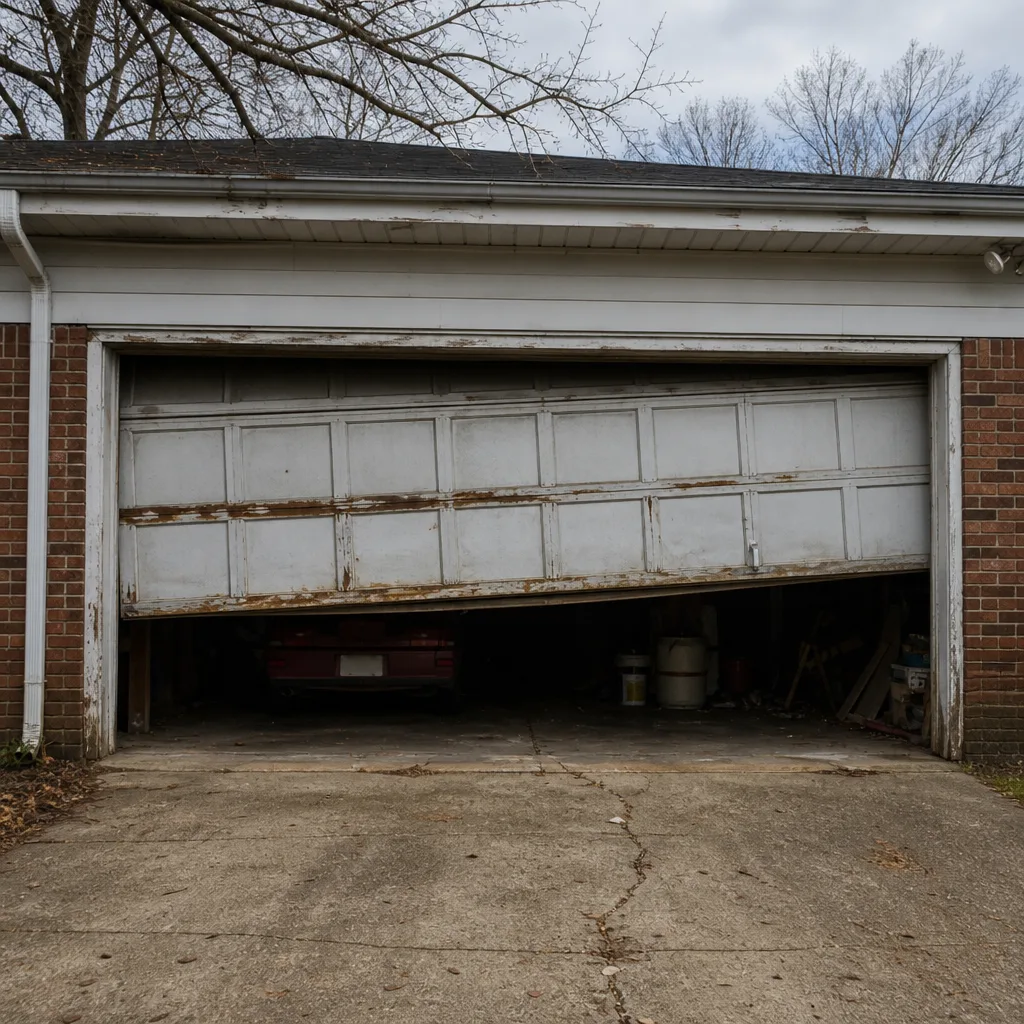 Before
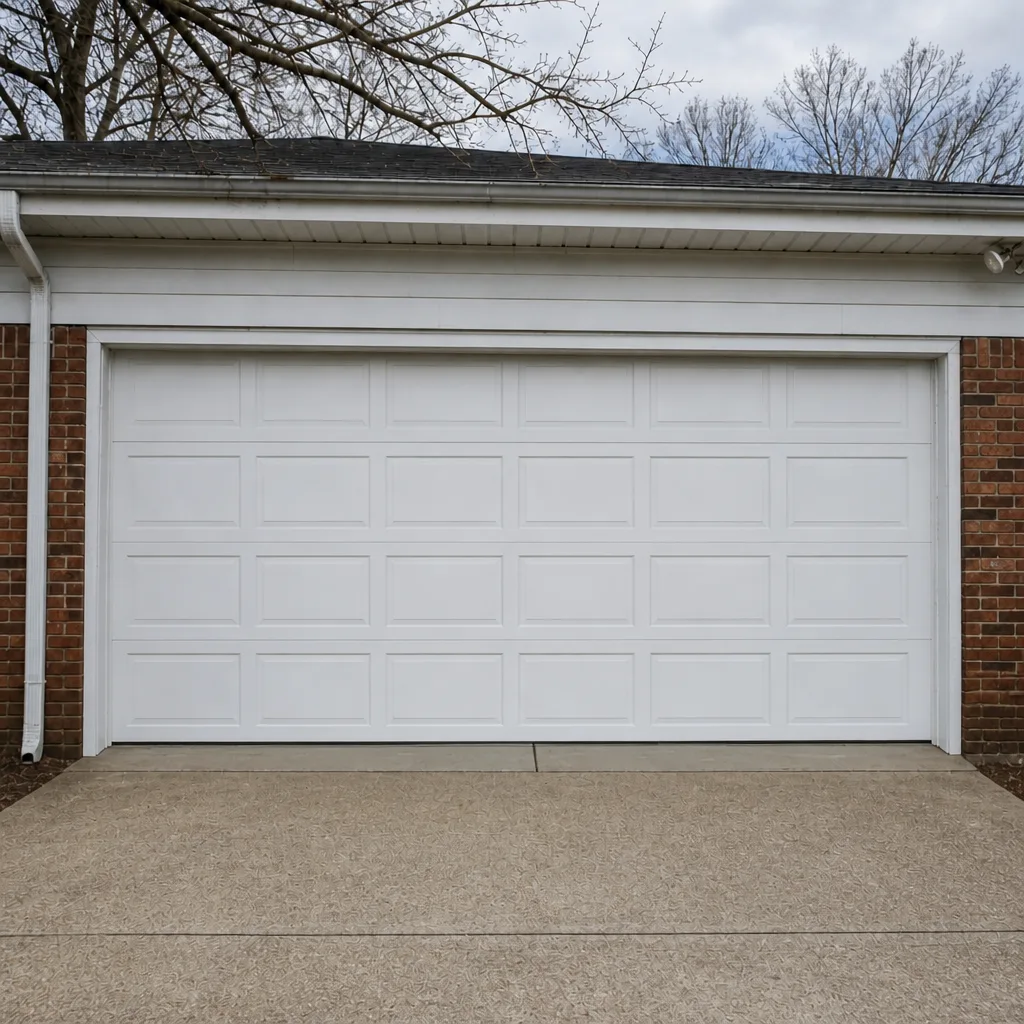 After
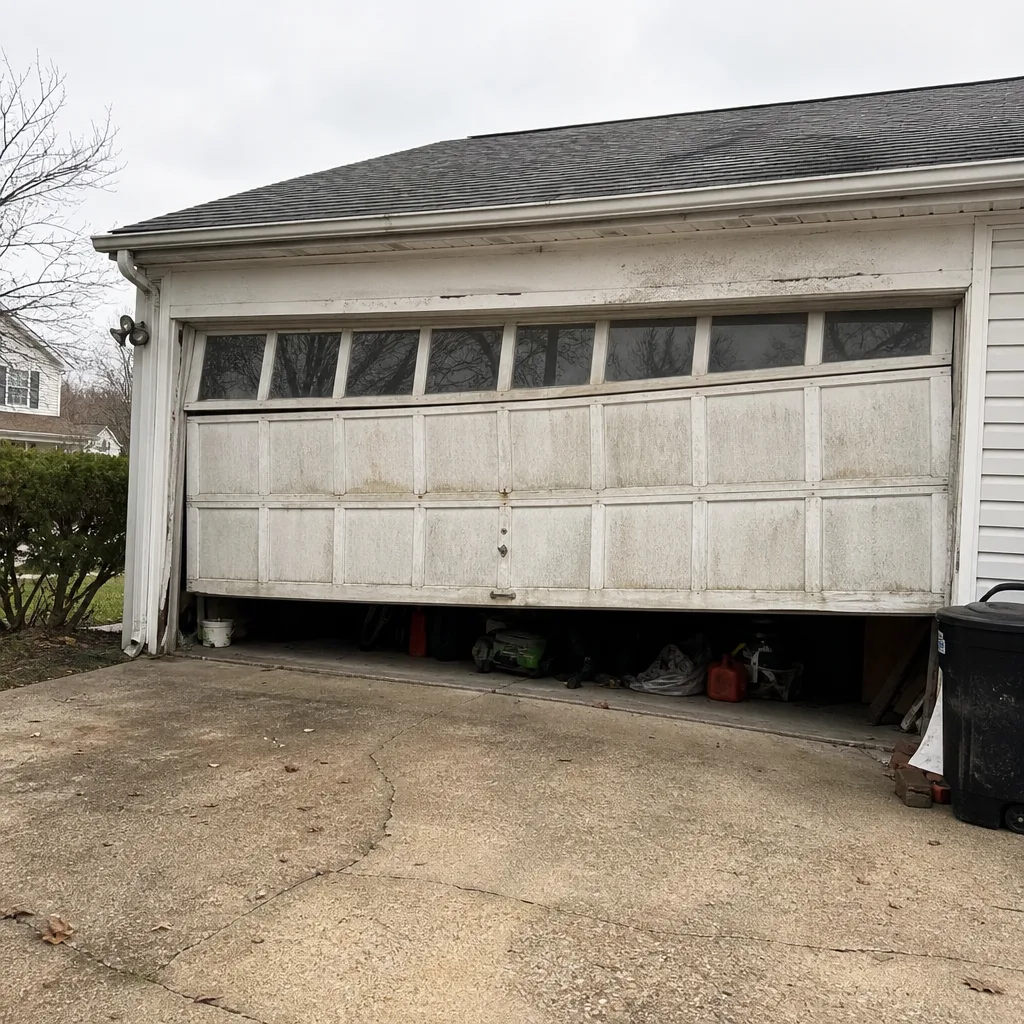 Before
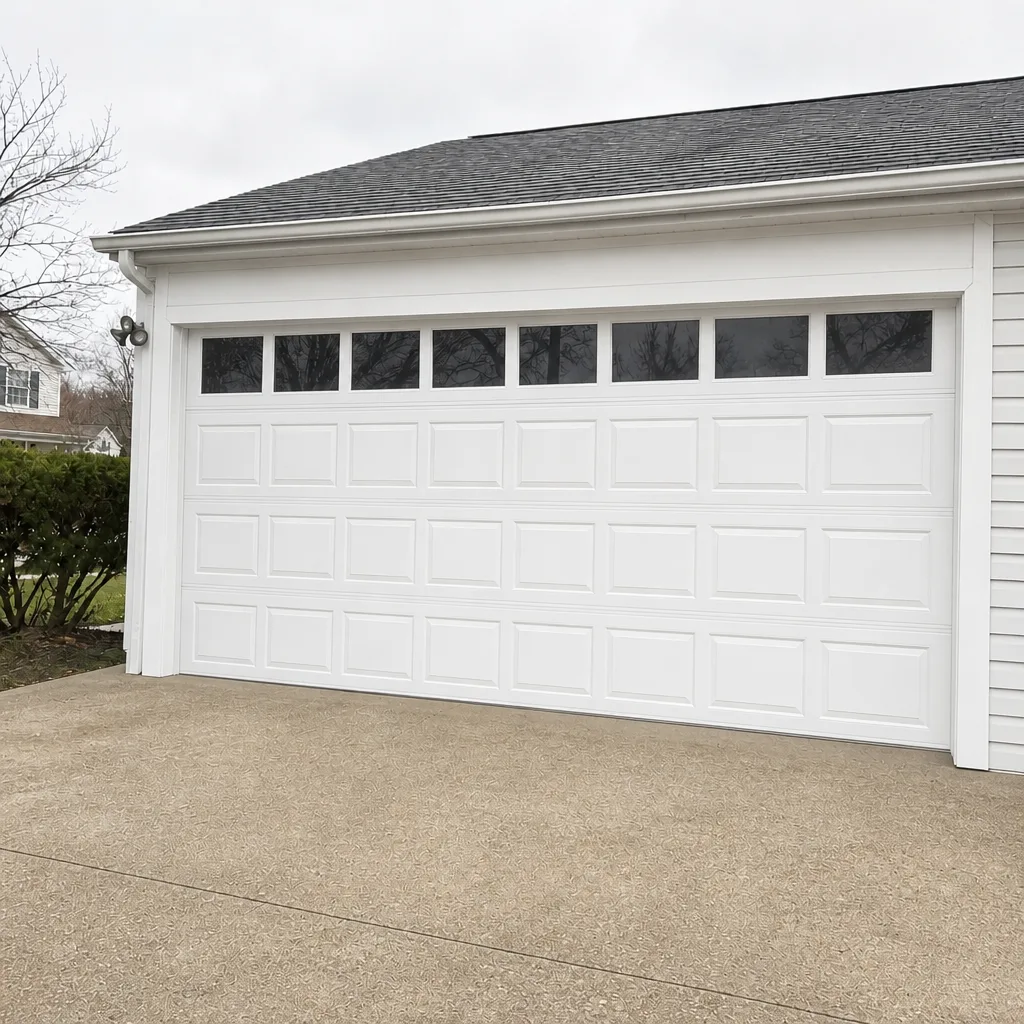 After
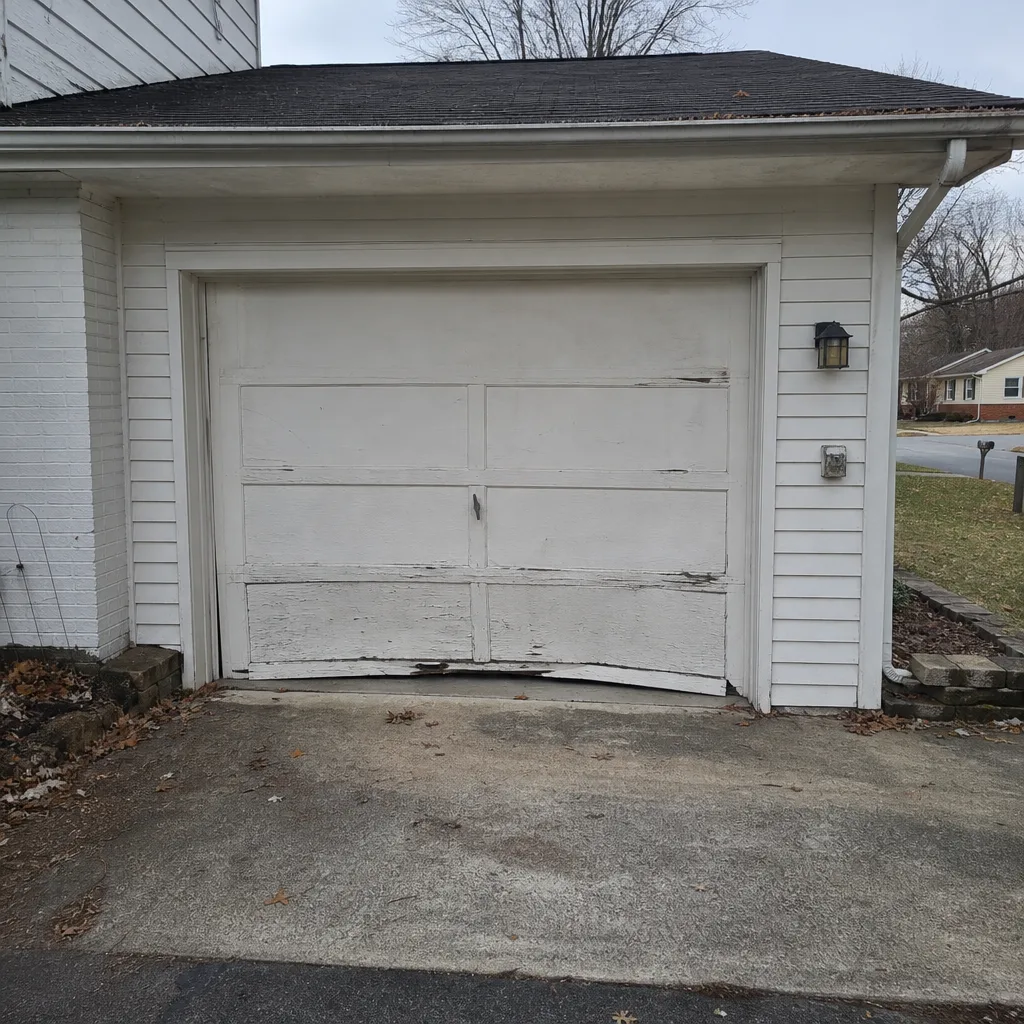 Before
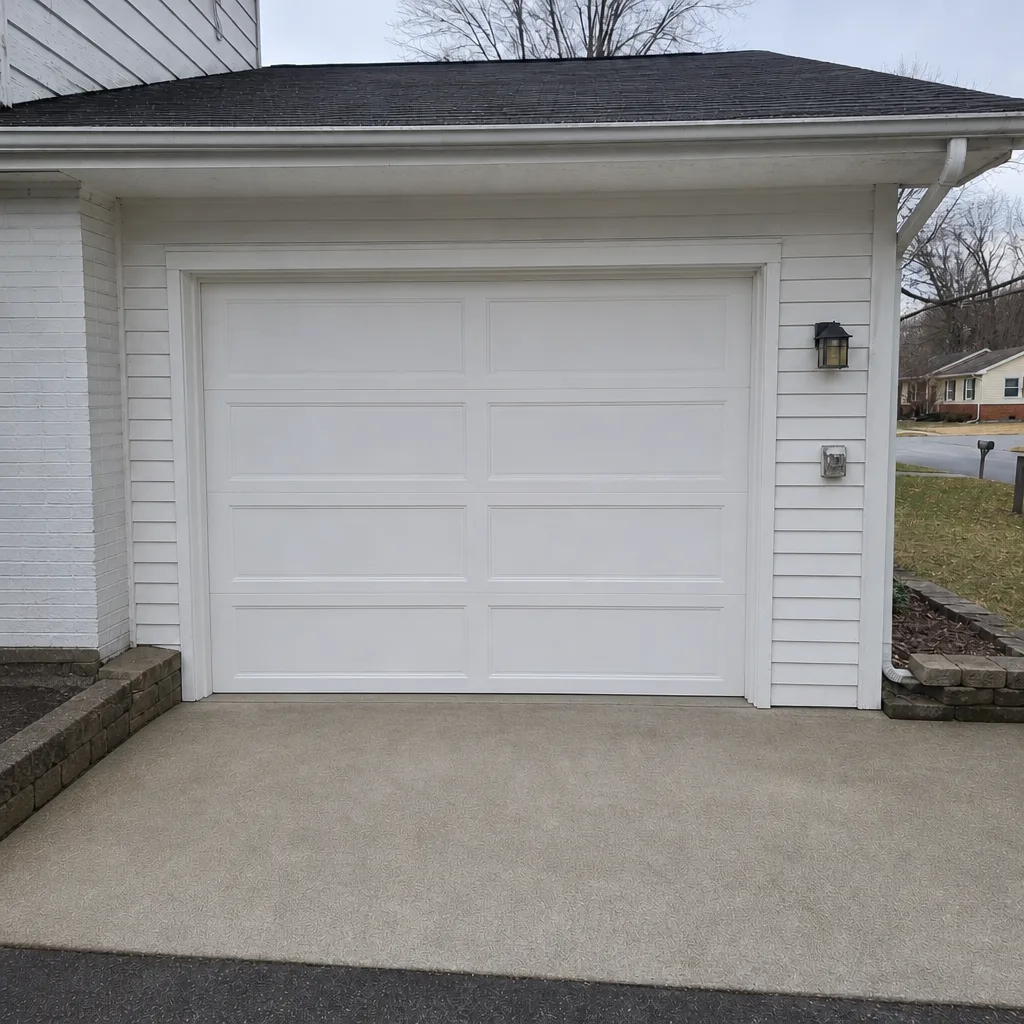 After
When to Call a Professional
Call a specialist if your door won’t close, if a spring has snapped, if the opener runs but the door doesn’t move, or if a structural project is on the table and you need a straight answer about scope before you talk to the building department. Spring repair in particular is one of the most dangerous jobs on a garage; the stored tension in a torsion system can injure an experienced technician, let alone a homeowner. That’s not a project for a general handyman, and it’s not a reasonable weekend DIY. If your opener is older and failing, or your door is beyond repair, we handle both replacements and repairs across the country’s most common door and opener brands – Craftsman, LiftMaster, Chamberlain, Raynor, and the rest of the major lines. Richmond Garage Door Repair Co offers free estimates in Richmond – call (833) 508-9230 and we’ll schedule a measure and a written price. Our technicians have up to 13 years of experience and can tell you plainly whether your project likely needs a permit.
Frequently Asked Questions
Usually not, if the replacement is the same size and weight as the old door and the opening isn’t being altered. If the project widens the opening, changes the door weight class, or modifies the structural header, expect a permit to be required. Call your jurisdiction’s building department to confirm for your specific address before ordering the door.
No. Replacing or repairing a garage door opener is maintenance of an existing system and doesn’t require a building permit in Richmond or the surrounding counties. If you’re having opener trouble, that’s a repair job – our garage door opener repair page covers the common failure modes.
You create a paperwork gap that can surface during a sale or an insurance claim. Virginia requires sellers to disclose known material defects, and unpermitted structural work is a common flag during buyer inspections. An insurer investigating a claim has room to scrutinize non-compliant workmanship. The cleanest path is to pull the permit up front when it’s required.
Yes, they can. The underlying Virginia Uniform Statewide Building Code is the same statewide, but each jurisdiction administers permits and interprets which projects require one. A like-for-like door swap that doesn’t need a permit in one jurisdiction may still require one in another depending on how the project is scoped. Confirm with the office that covers your address.
Yes, most commonly for anchoring problems, framing that doesn’t match approved plans, missing weather seals, or an opener whose safety reverse isn’t functioning. Inspections focus on structure and safety rather than cosmetics, so a clean installation with proper anchoring from the start typically passes without drama. Our technicians have up to 13 years of experience with these installations and know what inspectors look for.
It can. Standard homeowner’s policies generally don’t cover defective or non-compliant workmanship, and an insurer investigating a claim has room to look at whether unpermitted work contributed to the loss. Confirm coverage specifics with your insurer. Keeping permits and inspection records with your home’s documents is the simplest way to avoid that conversation.
If a permit or inspection question has you stuck, call (833) 508-9230 for a free estimate and a straight answer about whether your project likely needs one.
The Bottom Line
Whether your garage door project needs a permit in Richmond depends on whether the opening is being structurally altered – not on the door itself. Like-for-like replacements usually don’t need one. Widening the opening, changing the door weight class, or modifying the header usually do. Richmond City, Chesterfield, and Henrico run their own permitting processes even though the underlying code is statewide, so the right answer for your address comes from your building department. Repairs to springs, cables, and openers generally fall outside permit scope. When a permit is required, pull it – the paperwork protects you at sale and at claim time. When it isn’t, don’t let it become a source of delay. Either way, get a written estimate before work starts so you know exactly what’s included and what’s separate.
Have a garage door project in Richmond and want a clear answer about whether it needs a permit? Call Richmond Garage Door Repair Co at (833) 508-9230 for a free estimate. We’ll measure, quote in writing, and walk you through the permit question before a single part is ordered.
Written by the team at Richmond Garage Door Repair Co.